
Plant SOS · Season & Weather
Why is my indoor plant
suffering in winter?
Yellowing foliage, stunted growth, soil drying strangely quickly despite the cold outside: winter is often the season when indoor plants show the most signs of weakness, and it's no coincidence. Between heating drying out the air, shorter days, and cold drafts near windows, your plants are actually facing several stresses at once during this period.
This guide explains the most common causes of winter suffering and simple adjustments to help your plants get through winter peacefully, while waiting for the beautiful season to return.

The main causes of winter suffering
A slowing plant, not a sick one
Most indoor plants naturally enter a period of vegetative dormancy in winter, in response to reduced light and temperature. Stunted growth, a few yellowing leaves, or a small leaf drop are often normal during this period, provided they remain limited and gradual.
Adjusting watering to the dormant season
Space out watering
A plant that grows less also consumes less water: continuing a summer watering schedule is the number one mistake in winter. Let the soil dry out more between waterings, and always check with your finger rather than following a fixed schedule. Too frequent watering in winter is one of the most common causes of root rot.
"In winter, the plant slows down.
Your care routine should slow down with it."
Heating and drafts: the real culprits
Two extremes to avoid
Heating greatly dries out the ambient air, which can cause brown leaf tips. Conversely, a cold draft near a window or poorly insulated door can shock a plant accustomed to a stable temperature. Avoid placing your plants directly above a radiator or right against a window in a strong draft — instead, look for a happy medium, away from both sources of stress.
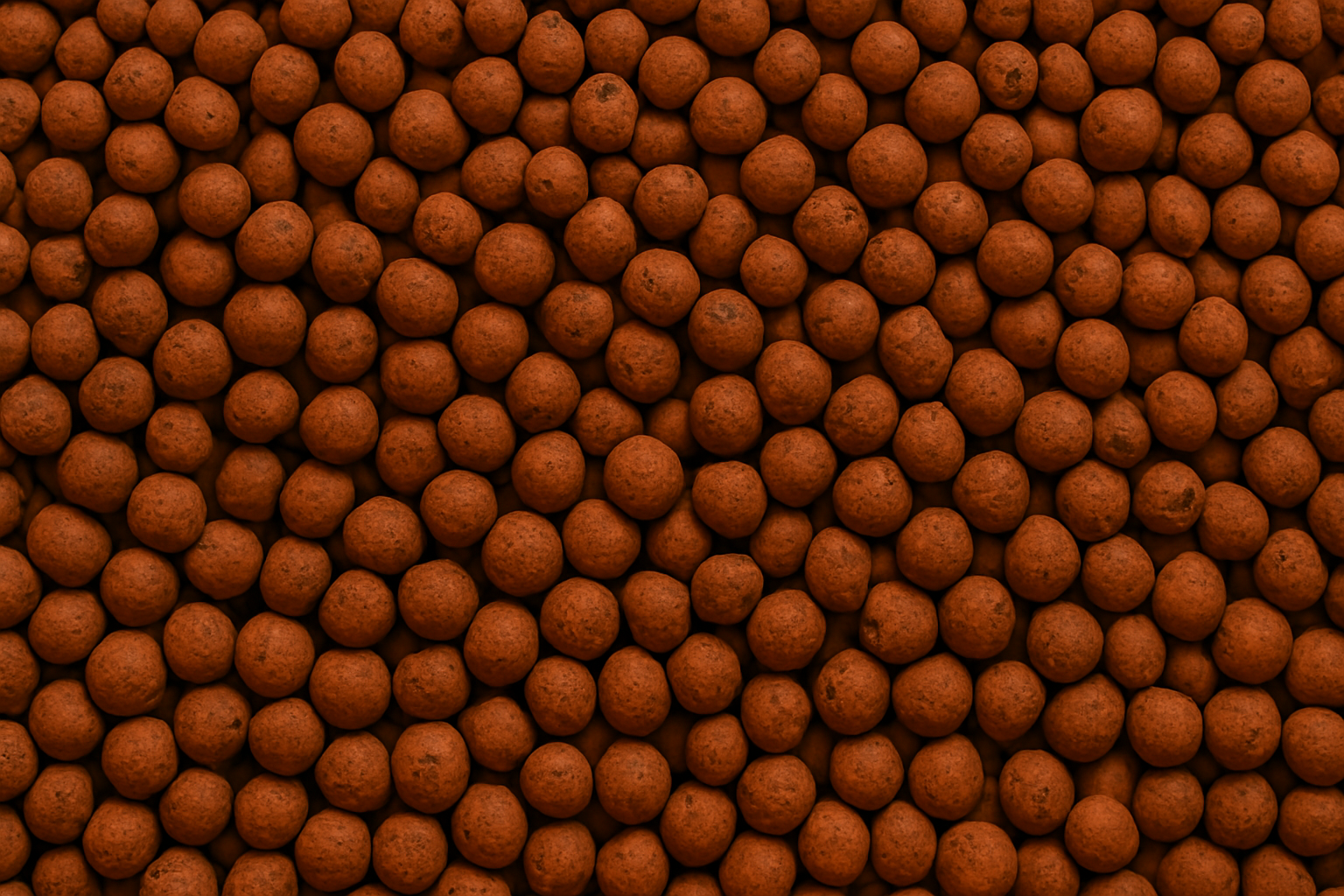
Natural clay pebbles (5 L or 10 L)
Placed in a saucer with a little water under the pot, they compensate for dry air from heating by creating local humidity.

Compensating for lack of light
Move plants closer to windows
Shorter days and lower sun significantly reduce the amount of light your plants receive, even near a window. Take advantage of winter to temporarily move your plants closer to natural light sources, and clean the foliage regularly — accumulated dust further reduces the plant's ability to capture available light.
⚠ Things to avoid in winter
Certain habits valid during the growing season become useless, or even harmful, during winter:
- Do not fertilize a dormant plant: it cannot use these nutrients and it can even burn its roots.
- Avoid repotting in winter, except in an emergency — root recovery is much slower and riskier outside the growing season.
- Do not prune a dormant plant; it's better to wait until spring for any major intervention.
- Never leave a plant between a cold window and a closed curtain at night — the pocket of icy air that forms can be enough to damage it.
| Winter factor | Risk | Solution |
|---|---|---|
| Heating | Dry air, brown tips | Humid clay pebbles, move away from radiator |
| Cold drafts | Thermal shock, leaf drop | Move away from poorly insulated windows |
| Lack of light | Etiolation, weak growth | Move closer to windows, clean foliage |
| Unchanged watering | Root rot | Space out waterings, check with finger |
With these few adjustments, most indoor plants will get through winter without lasting damage and will naturally revive as soon as warmer weather and spring light return.
These guides might also help you
Douceur Maison · Shop
What to accompany
your plants this winter
Clay pebbles, sprayers and accessories to help your plants get through the cold season.
See our care accessories🌿 Unsure about your plant?
Even if several symptoms look alike,
their origin can be very different.
Answer a few questions and find the most probable cause.
Free • Less than a minute • No registration required
Start diagnosis🌿 Guide written by the Douceur Maison Plant SOS team.
We write practical guides to help enthusiasts care for their indoor plants. · sosplantes@douceurmaison.fr
0 comments