
Plant SOS · Repotting
Roots growing out of the pot —
how to repot correctly?
Roots coming out of the drainage holes, substrate drying out too quickly, a plant stagnating despite good care — these are classic signs of a plant outgrowing its pot. Repotting is one of the most beneficial interventions you can do for an indoor plant: fresh new substrate, more space for the roots, and growth often resumes dramatically.
In this guide, we explain how to tell if your plant needs repotting, how to choose the right pot and substrate, and how to proceed step-by-step without stressing the plant.

When to repot? The 5 signs
A plant doesn't need to be repotted every year. Rely on the signs rather than the calendar.
The 5 unmistakable signs
Generally, a medium-growth tropical plant is repotted every 1 to 2 years in spring. Fast-growing plants like monstera or pothos may need repotting annually.
"A well-done repotting in spring,
is the boost your plant needed."
Which season to choose?
Spring — between March and May — is the ideal time for repotting. Days get longer, the plant emerges from its winter dormancy and is ready to invest all its energy in new roots. Growth quickly resumes after the operation.
In an emergency (root rot, pests), you can repot at any time. But avoid repotting in the middle of winter if possible — the plant is dormant and recovers less easily from the stress of handling.
⚠ To avoid
Do not repot immediately after buying a plant — it's already stressed from transport. Give it 2 to 3 weeks to acclimate before any intervention. And do not water just before repotting: slightly dry substrate holds better around the roots.
Choosing the right pot
The rules for the right pot
Size: choose a pot 2 to 4 cm wider than the old one — no more. A pot that is too large retains too much moisture around the roots and can cause rot. The rule: only one "size up" increment.
Mandatory drainage: the pot must have drainage holes. Without a hole, water stagnates at the bottom and suffocates the roots. If you like decorative cache-pots without holes, simply slide the pot with a hole inside.
Material: Terracotta pots are porous — the substrate dries out faster, ideal for plants that dislike humidity. Plastic or glazed ceramic pots retain moisture better, more suitable for plants that like slightly moist soil.

Choosing the right substrate
The substrate is as important as the pot. Inappropriate potting soil can negate all your repotting efforts.
| Plant type | Ideal substrate | Recommended additives |
|---|---|---|
| Tropical plants (Monstera, Pothos, Philodendron) | Light universal potting soil | 20% perlite or clay pebbles |
| Cactus & Succulents | Specific cactus potting soil | 50% draining mineral substrate |
| Orchids | Orchid bark | No classic potting soil |
| Ferns, Calathea | Rich potting soil + peat or coco | Worm castings for retention |
| ZZ plant, Sansevieria | Universal potting soil | 30-40% sand or perlite |
| Dense foliage plants | Enriched potting soil like Culvita | Clay pebbles at the bottom |
Repotting step-by-step
Prepare your materials
New pot (clean and with drainage), fresh substrate suitable for the plant, clay pebbles for the bottom, watering can, and something to protect your floor. Do not water the plant 2 days before repotting — slightly dry substrate separates better from the roots.
Remove the plant from its old pot
Tilt the pot on its side and gently tap the bottom and edges to loosen the substrate. Hold the plant by the base of the stems — not by the leaves. If it resists, slide a knife or stick along the inner walls. For soft plastic pots, gently squeeze the sides.
Inspect and prepare the roots
Gently shake off old substrate from the roots. Inspect them: white/beige and firm roots = healthy. Black or soft roots = cut with disinfected scissors. If the roots form a compact spiral mass, gently uncoil them to encourage them to grow into the new pot.
Prepare the new pot
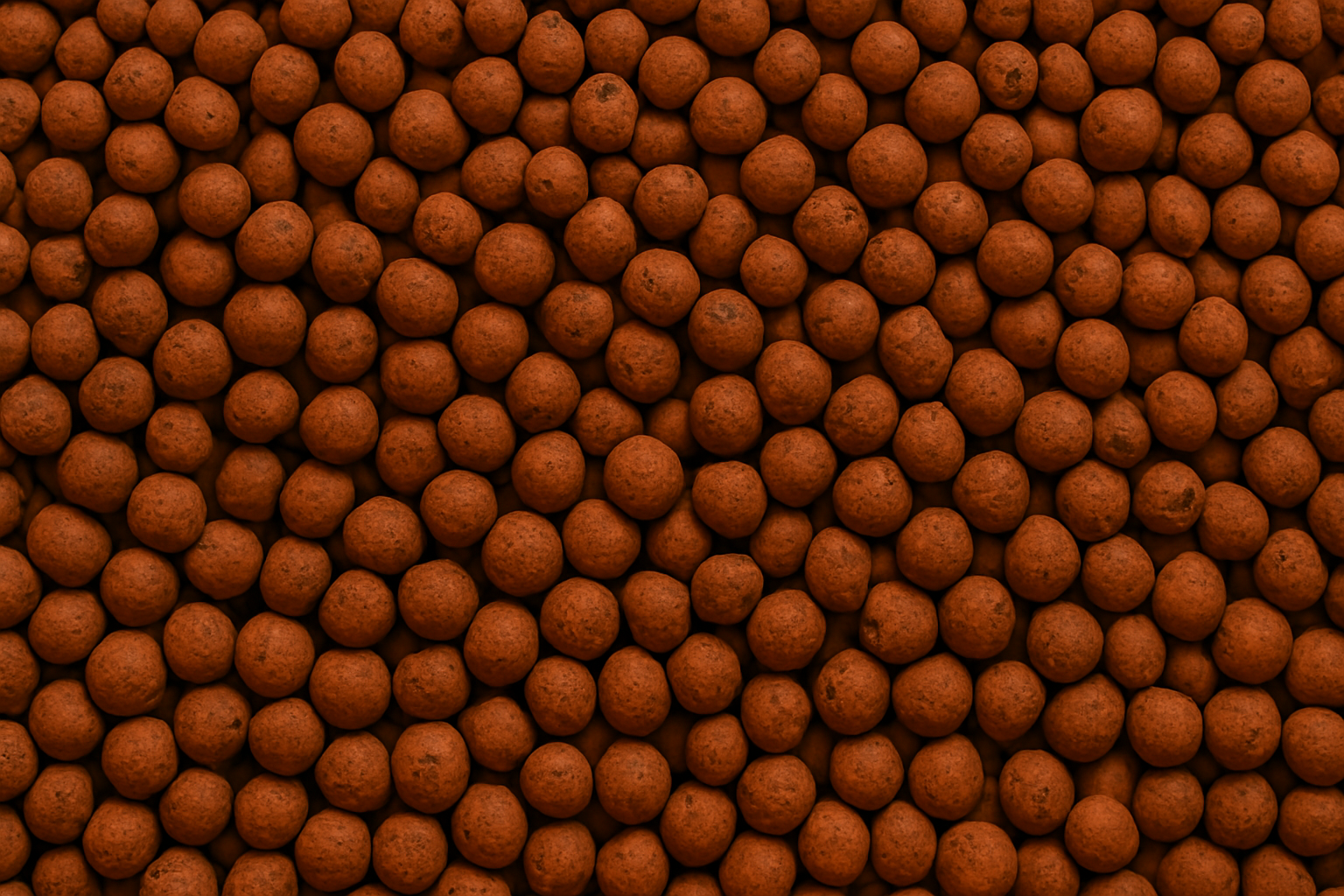
Place a layer of clay pebbles (2-3 cm) at the bottom of the pot to promote drainage. Add a first layer of fresh substrate. The plant should be positioned at the same depth as in the old pot — neither too high nor too low.
Install the plant and fill
Center the plant in the new pot. Pour the fresh substrate around the roots, tamping it lightly with your fingers to avoid air pockets. Leave 2 to 3 cm between the substrate and the rim of the pot to facilitate watering. Do not compact too much — roots need air.
First watering and placement
Water moderately to moisten the substrate and help the roots re-establish contact with the soil. Place the plant in its usual location — in indirect light, away from drafts. Do not fertilize for the next 4 to 6 weeks: fresh substrate already contains nutrients and the roots are too fragile to absorb fertilizer.
What to do after repotting?
It's normal for the plant to show some signs of stress in the days following repotting — slight limpness, drooping leaves. This is a temporary reaction, not a problem. Avoid moving it and resist the urge to overwater.
After repotting — best practices
Light: expose to usual light, no direct sunlight for the first 2 weeks.
Watering: wait until the top 3 cm of the substrate are dry before watering again.
Fertilizer: wait 4 to 6 weeks before starting to fertilize — the new substrate is sufficient to start.
Patience: visible growth resumption usually takes 2 to 4 weeks. This is the time needed for new roots to develop in the fresh substrate.
The Douceur Maison diagnostic
➜ Use our interactive express diagnostic to refine your diagnosis in a few clicks.
🌿 Everything you need for successful repotting
Our recommended products
- 🪴 Culvita Potting Soil — 6 weeks of nutrition included, ideal for repotting
- 🌱 Ecological Peat-Free Potting Soil — universal draining organic substrate
- 🥥 Coco Potting Soil — light, draining, perfect for tropical plants
- 🟤 Clay pebbles — perfect drainage at the bottom of the pot
- ⬜ Perlite — optimal aeration and drainage for your plants
- 🪨 Mineral Substrate — for cacti, succulents, bonsai, and indoor plants
- 🌍 Worm Castings — naturally enriches the substrate
🪴 Also find the ideal pot:
These guides might also help you
Douceur Maison · Shop
Find the plant
that fits your life
All our selected indoor plants, with their care tips included.
Discover our plants🌿 Unsure about your plant?
Even if several symptoms look similar,
their origin can be very different.
Answer a few questions and find the most probable cause.
Free • Less than a minute • No registration
Start the diagnostic🌿 Guide written by the Douceur Maison Plant SOS team.
We write practical guides to help enthusiasts care for their indoor plants. · sosplantes@douceurmaison.fr
0 comments