
Plant SOS · Plant Fact Sheet
Areca Palm: The complete guide
to successful care
With its long, arching fronds and light silhouette, the areca palm instantly brings a tropical and airy ambiance to a spacious living room or office. It is also one of the few large plants that are genuinely non-toxic to cats and dogs, making it a reassuring choice for households with pets who still want a plant with a strong presence.
Well-established, an areca palm can reach over 1.5 meters indoors and live for many years, with foliage that grows denser season after season — provided it is given the humidity it craves.
Identity Card
[ Image to insert — Suggestion: imposing areca palm with long arching fronds, natural light · 1200 × 700 px JPG ]
Ideal Light
Generous but filtered light
The areca palm appreciates bright light all year round, without being exposed to scorching afternoon sun which can scorch its fronds. A lack of light results in sparser foliage and fronds that gradually yellow due to insufficient energy.
[ Image to insert — Suggestion: areca palm near a large bright window, fronds filtering light · 1200 × 600 px JPG ]
Watering
Neither completely dry, nor waterlogged
Water as soon as the first few centimeters of potting soil are dry, keeping the substrate generally fresh without excess. The areca palm is sensitive to both lack of water, which causes brown tips, and excess water, which promotes root rot and yellowing of the foliage.
"The areca palm requires regularity,
not quantity."
Humidity: The Most Important Point
High ambient humidity, essential
Originating from the humid forests of Madagascar, the areca palm is particularly sensitive to dry air, especially in winter with heating. A saucer of moist clay pebbles under the pot, grouping it with other plants, or regular misting of the foliage significantly limits the appearance of brown tips and spider mites, two very common problems for this plant in overly dry air.
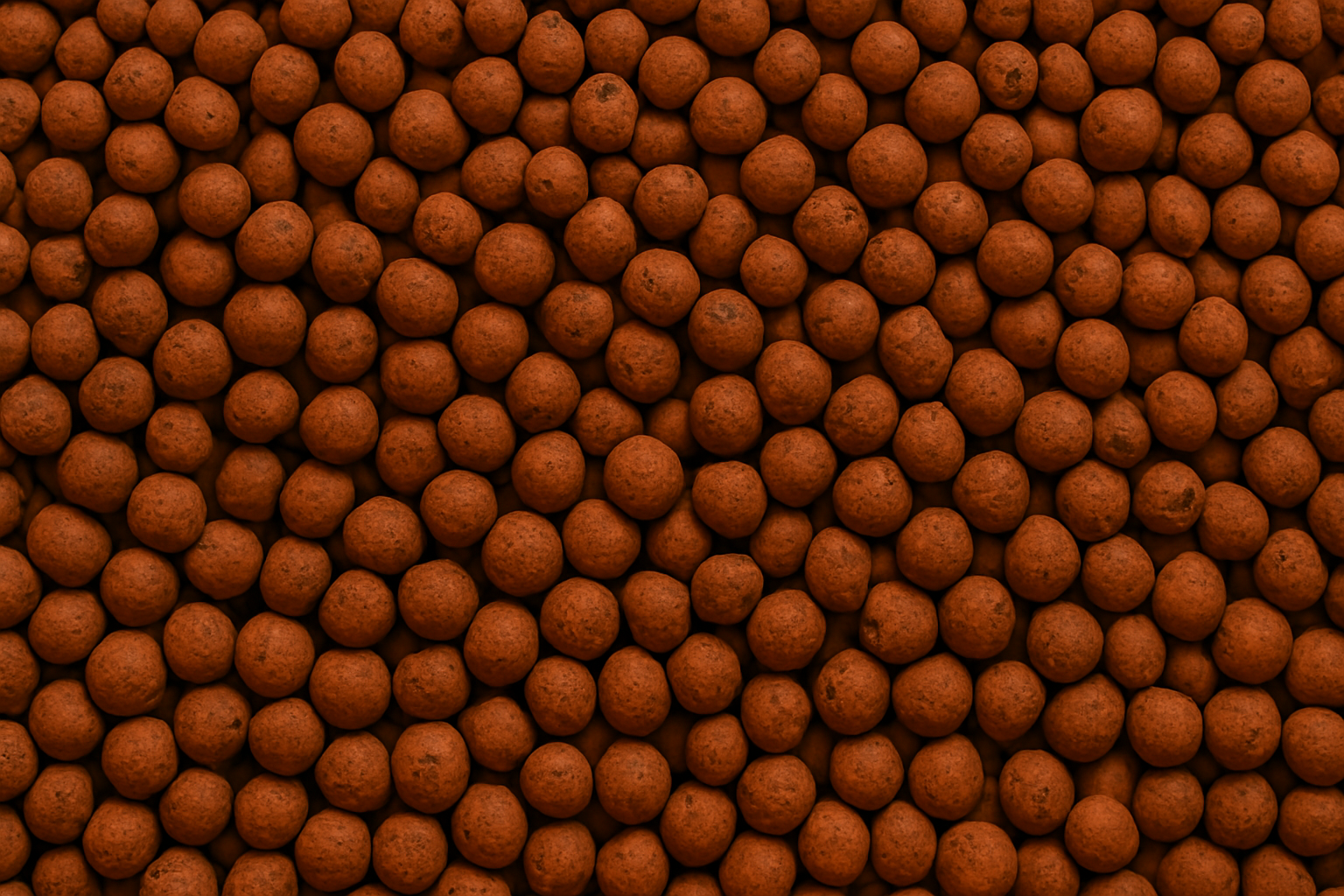
Natural Clay Pebbles (5 L or 10 L)
To be placed in a saucer with a little water under the pot, to maintain constant humidity around the palm.
[ Image to insert — Suggestion: saucer of moist clay pebbles under a large areca palm pot · 1200 × 600 px JPG ]
Substrate and Repotting
Potting soil that retains humidity without excess
A quality universal potting mix, possibly enriched with a little compost, is suitable for the areca palm. Repot every 2 to 3 years, preferably in spring, choosing a sufficiently heavy container to stabilize this often tall plant, which can be slightly unbalanced by its foliage.
Fertilization
Regular feeding to support foliage
Fertilize every 3 to 4 weeks during the active growth period, and suspend all feeding in winter, a period when the plant needs it much less.
Tropical Green Plant Fertilizer 250 ml
Promotes dense foliage and intense color, suitable for areca palms during their active growth period.
Routine Care
Dusting to limit spider mites
Regularly dust the fronds with a damp cloth, especially the underside of the leaves. This action simultaneously limits dust accumulation and prevents the establishment of spider mites, which are very fond of this dry and confined environment between the leaflets.
Common Problems
The areca palm generally remains easy to care for, but some signs deserve your attention:
[ Image to insert — Suggestion: close-up of an areca palm frond with slightly browned tips, to illustrate a symptom · 1200 × 600 px JPG ]
| Symptom | Probable Cause |
|---|---|
| Brown tips | Air too dry or unfiltered tap water |
| Yellow fronds | Overwatering or lack of light |
| Fine webbing between leaflets | Spider mites, favored by dry air |
| Sparse foliage | Lack of light or fertilization |
| Soft base | Prolonged overwatering, rot |
For a more precise diagnosis according to your symptoms, consult our dedicated guides: brown tips, yellow leaves or spider mites.
Mistakes to Avoid
- ❌ Neglecting ambient humidity, the most frequent cause of problems with this plant
- ❌ Letting the potting soil dry out completely between waterings
- ❌ Placing it near a radiator, which dries out the air in the immediate vicinity
- ❌ Ignoring the underside of the leaves when dusting, a favorite refuge for spider mites
- ❌ Systematically using tap water without letting it sit, which promotes brown tips
Frequently Asked Questions
Short answers to the questions we are most often asked about the areca palm.
Why are the tips of my areca palm turning brown?
This is very often due to overly dry air or the quality of the watering water (chlorine, limescale). Increase ambient humidity and use filtered or settled water for 24 hours.
Is the areca palm toxic to cats and dogs?
No, it is one of the few large indoor plants that are truly non-toxic, making it an excellent choice for households with curious pets.
Should yellowed fronds be cut?
Yes, once completely dry, cut them at the base. This is a natural phenomenon of foliage renewal, not necessarily a sign of a problem if it remains limited.
How to avoid spider mites on an areca palm?
Maintain sufficient ambient humidity and regularly dust the underside of the fronds, where these pests most often settle in dry air.
Why is my areca palm growing slowly?
Lack of light or fertilization during the growing season are the most common causes. Also check that the ambient humidity is sufficient.
How often should an areca palm be repotted?
Every 2 to 3 years is usually sufficient, preferably in spring, choosing a pot that is heavy and stable enough for its often voluminous foliage.
In summary
- ✅ Bright, indirect light, never scorching direct sun
- ✅ Substrate always slightly moist, without excess
- ✅ High ambient humidity (clay pebbles, misting)
- ✅ Fertilizer from March to September
- ✅ Non-toxic, a real plus for households with pets
These guides might also help you
[ Image to insert — Suggestion: imposing areca palm in a bright living room, final staging · 1200 × 700 px JPG ]
Douceur Maison · Shop
Our areca palm
in a designer pot
110 cm, delivered with its Elho Greenville pot cover, ready to be placed in your home.
View product🌿 Unsure about your plant?
Even if several symptoms are similar,
their origin can be very different.
Answer a few questions and find the most probable cause.
Free • Less than a minute • No registration
Start diagnosis🌿 Guide written by the Plant SOS team at Douceur Maison.
We write practical guides to help enthusiasts care for their indoor plants. · sosplantes@douceurmaison.fr
0 comments