
SOS Plants · Plant Guide
Hoya: The complete guide
to successful care
Nicknamed "porcelain plant" for the waxy, shiny texture of its leaves, the hoya is a climbing or trailing plant that boasts many assets: decorative foliage all year round, ease of care similar to a succulent, and above all, spectacular star-shaped flowers clustered in umbels, often delicately fragrant.
With patience — flowering can take several years on a young plant — the hoya becomes a plant that flowers faithfully every season, sometimes for decades, on the same flower stalks that should never be cut.
Identity Card
[ Image to insert — Suggestion: hoya in bloom, umbel of pink or white stars, waxy foliage · 1200 × 700 px JPG ]
Ideal Light
More light for more flowers
Hoya prefers bright, indirect light, possibly with a little gentle morning sun. The more generous the light, the greater the chances of flowering: a hoya placed in a too-dark corner will remain healthy but will never flower.
[ Image to insert — Suggestion: hoya hanging near a bright window, waxy foliage catching the light · 1200 × 600 px JPG ]
Watering
Similar behavior to a succulent
Thanks to its thick leaves that store water, hoya tolerates infrequent watering well. Allow two-thirds of the potting mix to dry out between waterings, generally every 1 to 2 weeks in summer. Overwatering is much more dangerous than slight underwatering, quickly causing leaf drop.
"Hoya behaves like a climbing succulent —
tolerant of neglect, vulnerable to excess."
Substrate and repotting
An airy mix, similar to an orchid's
A light potting mix with bark, perlite, and a little sand is suitable for hoya, whose roots do not like to remain in stagnant moisture. Repot only every 3 to 4 years; its preference for a slightly snug pot promotes flowering.
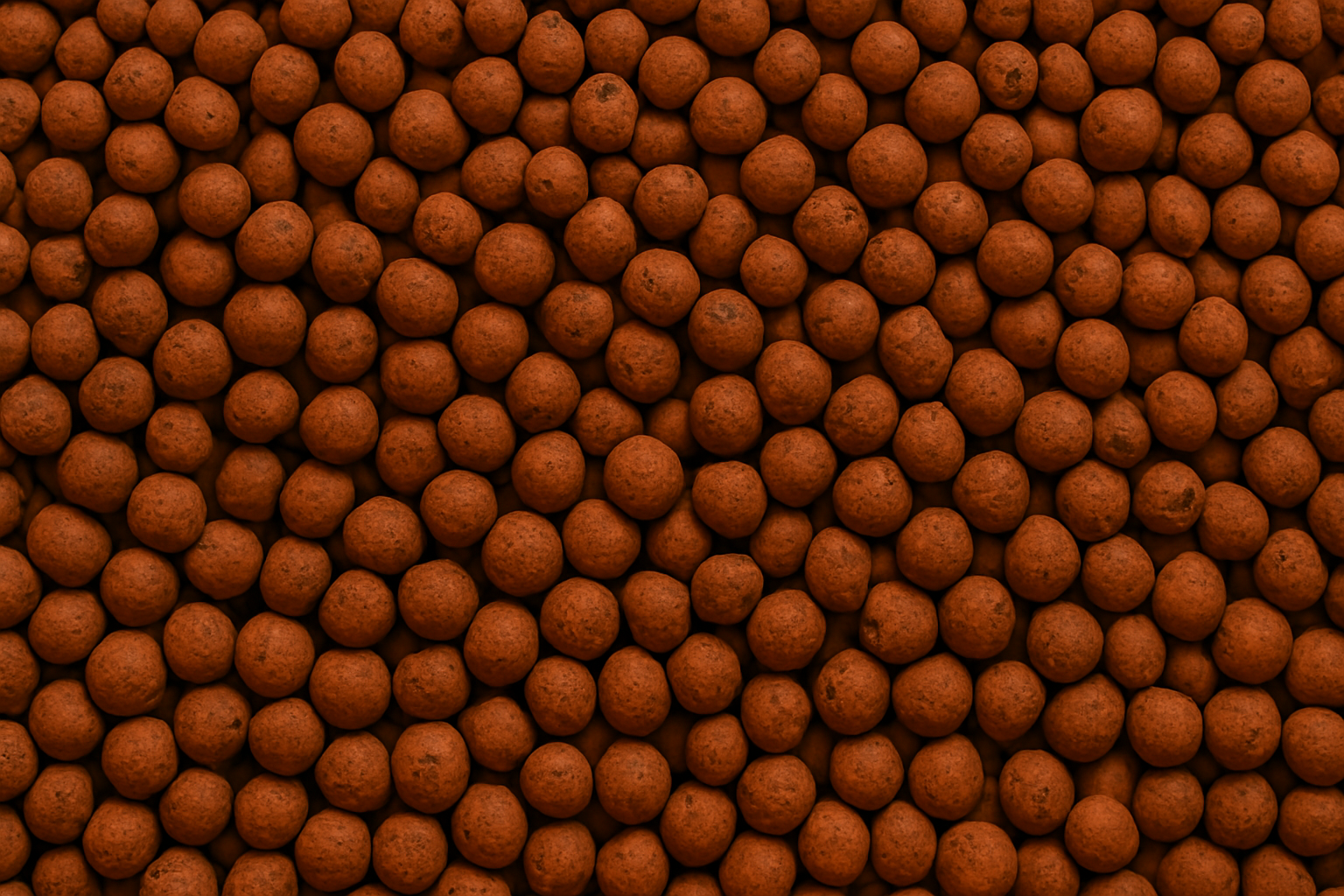
Orchid Bark 3 L
100% natural substrate that ensures excellent drainage, ideal as a supplement to universal potting soil for hoya.
[ Image to insert — Suggestion: bark and perlite substrate mixed for hoya repotting · 1200 × 600 px JPG ]
Fertilization
Moderate feeding to support flowering
Fertilize every 4 weeks during the growing period with a phosphorus-rich fertilizer, which promotes flowering rather than just foliage. Excess nitrogen, on the other hand, can promote leaves at the expense of flowers.
Achieving and preserving flowering
The most important rule to remember concerns the flower stalks, called spurs: once an umbel of flowers has faded, never cut the spur that bore it. Unlike many flowering plants, hoya reblooms on these same spurs year after year, sometimes producing several successive umbels in the same spot. Cutting them means starting from scratch for the next flowering.
Common Problems
Hoya is generally easy, but some signs deserve your attention:
[ Image to insert — Suggestion: close-up of a slightly withered hoya leaf, to illustrate a symptom · 1200 × 600 px JPG ]
| Symptom | Probable Cause |
|---|---|
| No flowering | Lack of light or young plant |
| Falling leaves | Most often overwatering |
| Wrinkled leaves | Lack of water, easily corrected |
| Small cottony white clumps | Mealybugs |
| Loss of variegation (variegated varieties) | Lack of light |
Mistakes to Avoid
- ❌ Cutting faded floral spurs, which would rebloom the following year
- ❌ Overwatering, thinking it will accelerate growth or flowering
- ❌ Repotting too often into a much larger pot
- ❌ Using potting mix that retains too much moisture
- ❌ Becoming impatient and giving up before the plant has matured enough to flower
Frequently Asked Questions
Short answers to the most common questions we get about hoya.
Why isn't my hoya flowering?
Lack of light is the most common cause, followed by the plant's young age: some hoyas take several years before their first flowering.
Should I cut the stems after flowering?
No, especially not the spurs that bore the flowers: hoya reblooms on these same stems from one season to the next. Cutting them delays the next flowering.
Why are there sticky drops under the flowers?
It's nectar, a completely normal phenomenon for hoya in bloom. It's not a sign of disease or pests.
How often should I water a hoya?
Generally every 1 to 2 weeks in summer, allowing two-thirds of the potting mix to dry out between waterings. Hoya tolerates infrequent watering well thanks to its leaves that store water.
Is hoya toxic to cats and dogs?
No, hoya is considered non-toxic, making it a good choice for households with curious pets.
Does hoya need frequent repotting?
No, every 3 to 4 years is plenty. Hoya often flowers better when slightly pot-bound; there's no need to repot it too generously.
In summary
- ✅ Bright, indirect light, essential for flowering
- ✅ Water when two-thirds of the potting mix is dry
- ✅ Very well-draining substrate (bark, perlite)
- ✅ Phosphorus-rich fertilizer from March to September
- ✅ Never cut floral spurs after flowering
These guides might also help you
[ Image to insert — Suggestion: adult hoya generously in bloom in a bright interior, final staging · 1200 × 700 px JPG ]
Douceur Maison · Shop
Discover our
indoor plants
Plants selected for their quality, ready to settle in your home.
View all our plants🌿 A doubt about your plant?
Even if several symptoms are similar,
their origin can be very different.
Answer a few questions and find the most probable cause.
Free • Less than a minute • No registration required
Launch the diagnosis🌿 Guide written by the Douceur Maison SOS Plants team.
We write practical guides to help enthusiasts care for their indoor plants. · sosplantes@douceurmaison.fr
0 comments