
SOS Plants · Plant Sheet
Orchid: The complete guide
to successful care
The Phalaenopsis orchid, the most common indoor variety, has long had a reputation for being temperamental — wrongly so. It is actually an epiphytic plant, which naturally grows clinging to the branches of tropical trees rather than rooted in soil, which explains why its needs differ from those of a classic green plant. Once these specificities are understood, the orchid becomes surprisingly simple to care for.
Its flowering, which can last several months in a row, makes it one of the most generous flowering plants available, and with a little patience, it can rebloom year after year, sometimes for decades.
Fact Sheet
[ Image to insert — Suggestion: Phalaenopsis orchid in full bloom, white or pink flowers, soft natural light · 1200 × 700 px JPG ]
Ideal Light
An east-or-west facing window, ideal
Orchids appreciate bright but filtered light, like that from an east or west-facing window. Full direct sunlight, especially in summer, quickly burns their thick leaves. A lack of light, conversely, severely limits the chances of flowering, even if the plant remains outwardly healthy.
[ Image to insert — Suggestion: orchid near a window with sheer curtains, soft light on the flowers · 1200 × 600 px JPG ]
Watering: The Soaking Method
Soak rather than water from above
Submerge the pot (with drainage holes) in a container of lukewarm water for 10 to 15 minutes, once or twice a week, then allow it to drain thoroughly before placing the pot back in its cachepot. This method mimics tropical rain followed by quick drying, exactly the cycle the orchid experiences in its natural habitat.
"Orchids don't like stagnant water.
They like the alternation between rain and dry."
Substrate: Why Not Classic Potting Soil
A substrate that allows air to circulate around the roots
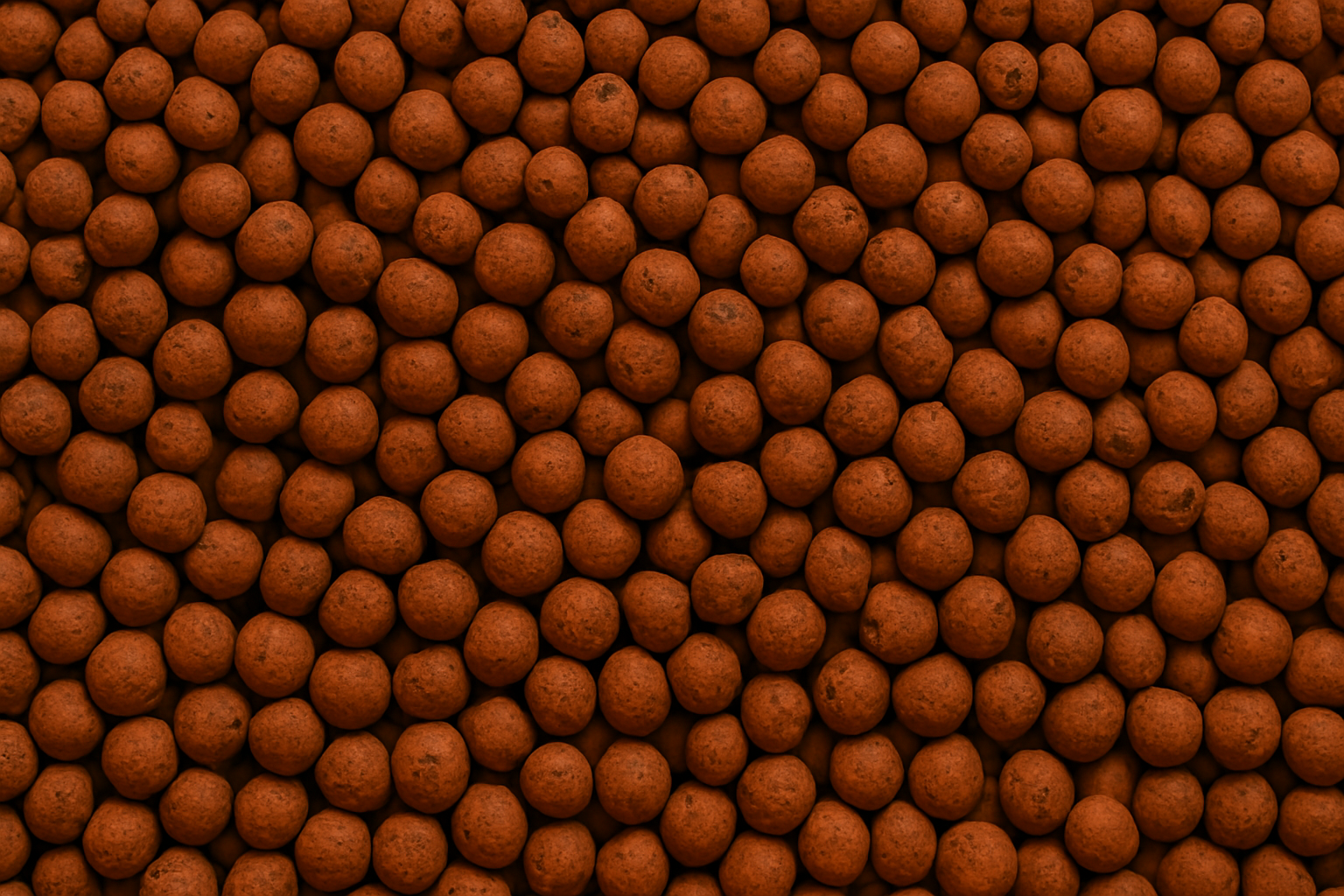
In nature, orchid roots are exposed to the air, clinging to tree bark. Classic potting soil, being too compact, would quickly suffocate them. A special orchid bark substrate reproduces this essential air circulation and remains the only suitable option for this epiphytic plant.
Orchid Bark 3 L
100% natural substrate that ensures optimal drainage and good aeration for healthy roots.
[ Image to insert — Suggestion: well-visible orchid roots in a transparent pot filled with bark · 1200 × 600 px JPG ]
Fertilization
A light application, adapted to its specific needs
Use a special orchid fertilizer, diluted to half the recommended dose, once every 2 to 3 weeks during the growth and flowering period. A classic fertilizer, too concentrated, can burn the fine roots of this plant.
Promoting New Blooms
Once all the flowers have fallen, don't rush to cut the flower spike. If it remains green, cut it just above a visible node: a new branch can appear and rebloom in a few months. If the spike yellows and dries completely, cut it at the base: the plant will then concentrate its energy on producing an entirely new, often more vigorous, spike during the next cycle.
Common Problems
Orchids generally remain easy once their needs are understood, but certain signs deserve your attention:
[ Image to insert — Suggestion: close-up of a silvery gray orchid root signaling a need for watering · 1200 × 600 px JPG ]
| Symptom | Probable Cause |
|---|---|
| Yellow leaves (a single one, at the base) | Natural aging, usually not serious |
| Soft, brown roots | Overwatering, root rot |
| Wrinkled or pleated leaves | Lack of water or damaged roots |
| No flowering | Lack of light or temperature variation |
| Small cottony white clumps | Mealybugs |
Mistakes to Avoid
- ❌ Watering regularly from above instead of by soaking
- ❌ Using classic potting soil instead of special orchid bark
- ❌ Leaving the pot soaking in water without draining it afterwards
- ❌ Systematically cutting the flower spike at the base as soon as the last flower falls
- ❌ Using undiluted classic fertilizer, too concentrated for its fine roots
Frequently Asked Questions
Short answers to the most common questions we receive about orchids.
How do I know when to water my orchid?
Observe its aerial roots: bright green means it's well hydrated, silvery gray means it's time to water. This is more reliable than a fixed schedule.
Why isn't my orchid reblooming?
Lack of light is the most common cause, followed by a lack of temperature variation between day and night, which helps trigger new blooms.
Should I cut the stem after flowering?
It depends on its condition: if it remains green, cut above a node to encourage branching. If it yellows and dries, cut at the base to encourage an entirely new spike.
Can I repot an orchid in classic potting soil?
No, its roots need air circulation that only a special orchid bark substrate can provide. Classic potting soil would quickly suffocate them.
Why are my orchid's leaves wrinkled?
This is usually a sign of lack of water or damaged roots that are no longer absorbing moisture properly. Check the condition of the roots during the next soak.
Is the orchid toxic to cats and dogs?
No, the Phalaenopsis orchid is considered non-toxic, making it a good choice for households with curious pets.
In summary
- ✅ Bright, indirect light, never direct sun
- ✅ Water by soaking, 1 to 2 times a week
- ✅ Special orchid bark substrate, never classic potting soil
- ✅ Diluted special orchid fertilizer, every 2 to 3 weeks
- ✅ Patience after flowering: the spike can rebloom or regenerate
These guides might also help you
[ Image to insert — Suggestion: several orchids in bloom of different colors on a windowsill, final staging · 1200 × 700 px JPG ]
Douceur Maison · Shop
Discover our
indoor plants
Plants selected for their quality, ready to settle in your home.
See all our plants🌿 Unsure about your plant?
Even if several symptoms look alike,
their origin can be very different.
Answer a few questions and find the most likely cause.
Free • Less than a minute • No registration required
Launch diagnostic🌿 Guide written by the SOS Plants team at Douceur Maison.
We write practical guides to help enthusiasts care for their indoor plants. · sosplantes@douceurmaison.fr
0 comments