
Plant SOS · Watering
I overwatered my plant —
how to save it?
Overwatering is the primary cause of death for indoor plants. More than drought, more than lack of light — too much water kills the majority of houseplants. However, the situation is reversible in most cases, provided you act quickly and in the right order.
In this guide, we explain how to assess your plant's condition, what to do urgently, and how to prevent it from happening again. The golden rule: the less you water, the better indoor plants fare.

How do I know if I've overwatered?
Signs of overwatering are often confused with other problems — notably underwatering, which causes similar symptoms (drooping leaves, yellowing). The key difference is the condition of the soil.
Signs of overwatering
The ultimate test: push your finger 3 cm into the substrate. If it's still damp, you don't need to water. If it's been soggy for several days, overwatering has already set in.
"Too much water kills more plants than drought.
When in doubt, don't water."
5-step action plan
Here's what to do as soon as you realize you've overwatered. The sooner you act, the higher your chances of saving the plant.
Stop watering immediately
This is the first thing to do — and the most obvious. Stop watering altogether until the substrate is completely dry. Resist the urge to "compensate" or add fertilizer to "stimulate" the plant. That will only make the situation worse.
Empty the saucer and improve drainage
If water is sitting in the saucer, empty it immediately. Check that the pot's drainage holes are not blocked. If the pot has no holes, that's the root of the problem — you'll need to repot into a suitable pot.
Remove the plant from its cachepot
If your plant is in a decorative cachepot without drainage, remove it so it can dry properly. Air must circulate around the pot. Place the plant in a bright, slightly airy spot to speed up the drying of the substrate.
Assess the roots if the plant doesn't recover
If after 5 to 7 days without watering the plant shows no improvement — or even worsens — it's time to unpot and inspect the roots. White and firm roots are healthy. Black, brown, and soft roots are rotten and should be cut off.
Adjust your watering schedule for the future
Once the crisis is over, the real solution is to change your habits. The rule is simple: only water when the first few centimeters of the substrate are dry to the touch. In winter, the frequency can be two to three times less than in summer.

What if the roots are already rotting?
If you inspect the roots and find black, soft, and foul-smelling areas, rot has already set in. Here's how to react.
Rescue procedure — root rot
1. Remove the plant from its pot and gently shake off the substrate from the roots.
2. Rinse the roots under a gentle stream of room-temperature water.
3. With alcohol-disinfected scissors, cut off all black or soft roots. Even if it seems drastic — these roots are dead and no longer serve any purpose.
4. Let the roots air dry for 30 to 60 minutes. Do not immediately replant them in moist soil.
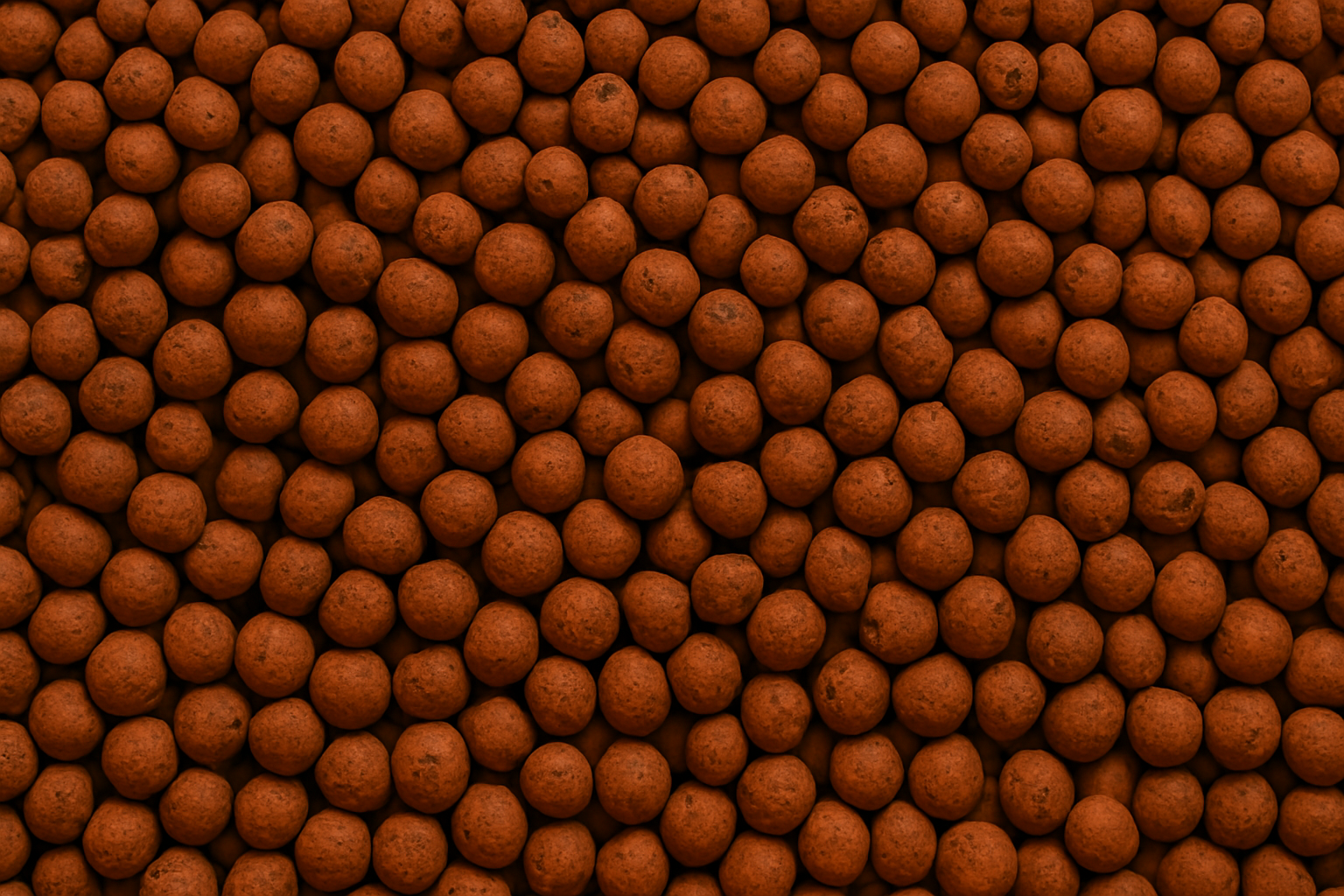
5. Repot in fresh, light, and well-draining substrate. Add clay pebbles to the bottom of the pot.
6. Do not water for 7 to 10 days. Place the plant in light but out of direct sunlight.
How to avoid overwatering
Prevention is the best strategy. Here are the simple rules that change everything:
The golden rules of watering
The finger rule: push your finger 2-3 cm into the substrate. If it's still damp, don't water. Simple, effective, universal.
Less in winter: during dormancy, plants need two to three times less water than in summer. Watering every 15 days may be enough for many species.
Always a pot with drainage: without drainage holes, excess water accumulates at the bottom of the pot. This is the number one cause of watering problems.
Empty the saucer: after each watering, empty the saucer 30 minutes later. A plant sitting in water in its saucer always ends up developing root rot.
Draining substrate: a substrate with perlite or clay pebbles dries faster and allows roots to breathe better.
⚠ The myth of the "watering schedule"
Watering every Monday, or every 7 days, is a misleading idea. The ideal frequency depends on the season, temperature, pot size, substrate, and species. The only rule that truly works: water when the soil is dry, not when the calendar says so.
The Douceur Maison diagnosis
➜ Use our interactive express diagnosis to refine your diagnosis in a few clicks.
🌿 To correct and prevent
Our recommended products
- 🌱 Ecological Peat-Free Potting Soil — draining organic substrate for indoor and outdoor plants
- 🟤 Clay pebbles — perfect drainage at the bottom of the pot
- ⬜ Perlite — aeration and rapid drying of the substrate
- 🥥 Coco Soil — naturally draining ecological peat-free substrate for repotting
- 🪨 Draining Mineral Substrate — maximum root aeration
These guides might also help you
Douceur Maison · Shop
Find the plant
that fits your life
All our plants selected for indoor living, with included care tips.
Discover our plants🌿 Unsure about your plant?
Even if several symptoms resemble each other,
their origin can be very different.
Answer a few questions and find the most probable cause.
Free • Less than a minute • No registration required
Start the diagnosis🌿 Guide written by the Douceur Maison Plant SOS team.
We write practical guides to help enthusiasts care for their indoor plants. · sosplantes@douceurmaison.fr
0 comments