
SOS Plants · Diseases
Powdery Mildew and Fungal Diseases:
causes, treatment
and prevention
White powder on leaves, black spots, grey mold, or a musty-smelling substrate — these are all symptoms of fungal diseases. Fungi are among the most common enemies of indoor plants, and powdery mildew is their most visible representative. Unlike pests, fungal diseases don't come from outside — they develop from spores already present in the air or substrate, which find favorable conditions to proliferate.
This guide covers the 4 most common indoor fungal diseases, their causes, and effective treatments for each.

Understanding Fungal Diseases
Fungal diseases are caused by microscopic fungi that grow on or within plant tissues. Their spores are ubiquitous in the air — it's not their presence that's the problem, but when conditions allow them to multiply: excessive humidity, poor ventilation, plant injuries, waterlogged substrate.
The key is twofold: treat the existing infection AND modify the conditions to prevent it from returning.
"Fungi don't appear out of nowhere —
they wait for bad conditions to explode."
Powdery Mildew — White Powder on Leaves
Powdery Mildew (Erysiphales)
Moderate — treatablePowdery mildew is the most recognizable fungal disease: a powdery white substance that appears on the top of leaves, initially as small spots then spreading. Unlike other fungal diseases, powdery mildew thrives in conditions of low air humidity combined with high temperatures — which makes it paradoxical and often surprising.
Grey Mold — Botrytis
Botrytis cinerea
Urgent — spreads quicklyGrey mold is a fuzzy grey-brown mold that develops on weakened or injured stems, leaves, and flowers. It thrives in cold, humid, and poorly ventilated environments. It's one of the most destructive diseases as it can invade an entire plant in a few days if conditions are right — especially dangerous in winter.
Sooty Mold — Sticky Black Mold
Sooty Mold (Capnodiales)
Secondary — sign of infestationSooty mold is a black mold that develops on the honeydew left by sap-sucking insects — mealybugs, aphids, or whiteflies. It doesn't directly attack the plant but covers the leaves with a black layer that blocks photosynthesis. Treating it without eliminating the causal insects is useless — it always returns.
Root Rot
Pythium / Phytophthora
Urgent — often fatal if lateRoot rot is caused by aquatic fungi that proliferate in constantly waterlogged substrate. Roots blacken, soften, and rot, unable to conduct water and nutrients. On the surface, the plant shows paradoxical symptoms of dryness despite moist soil — soft leaves, yellowing, foliage drop.

Conditions Favorable to Fungi
- 💧 Constantly moist substrate
- 🌬️ Stagnant air, poorly ventilated room
- 💦 Water stagnant on leaves
- 🌡️ Abrupt temperature changes
- 🪴 Pots without drainage or full saucers
- ✂️ Unhealed stem wounds
- 🌿 Plants too close together
- 💨 Good ventilation — air circulation
- 🪴 Draining substrate that dries between waterings
- ☀️ Sufficient light — fungi hate light
- 💧 Bottom watering — never on foliage at night
- ✂️ Disinfected tools for each pruning
- 🌱 Well-spaced plants for aeration
Prevention — Air and Drainage First and Foremost
The vast majority of indoor fungal diseases can be avoided with two simple precautions: a properly draining substrate and regularly renewed air.
Aerate regularly
Open windows for 10 to 15 minutes a day, even in winter. Regular air exchange prevents humidity stagnation that promotes all fungi. Avoid concentrating too many plants in a room without ventilation.
Adopt a draining substrate
A substrate that retains too much water is the ideal environment for root fungi. Add 20-30% perlite to your usual potting mix and ensure each pot has effective drainage. Empty saucers after each watering.
Never water in the evening
Water left on leaves or in the substrate overnight — without evaporation — is a major trigger for fungal diseases. Always water in the morning so excess moisture can evaporate during the day.
⚠ Never cut without disinfecting tools
Fungal spores are easily transmitted via undisinfected gardening tools. A blade used on a diseased plant then on a healthy plant can spread the disease in seconds. Use 70° alcohol on the blade before and after each use — systematically.
🌿 To treat and prevent
Our recommended products
- 🥥 Coconut Coir — naturally mold-resistant
- ⬜ Perlite — optimal drainage, fast-drying substrate
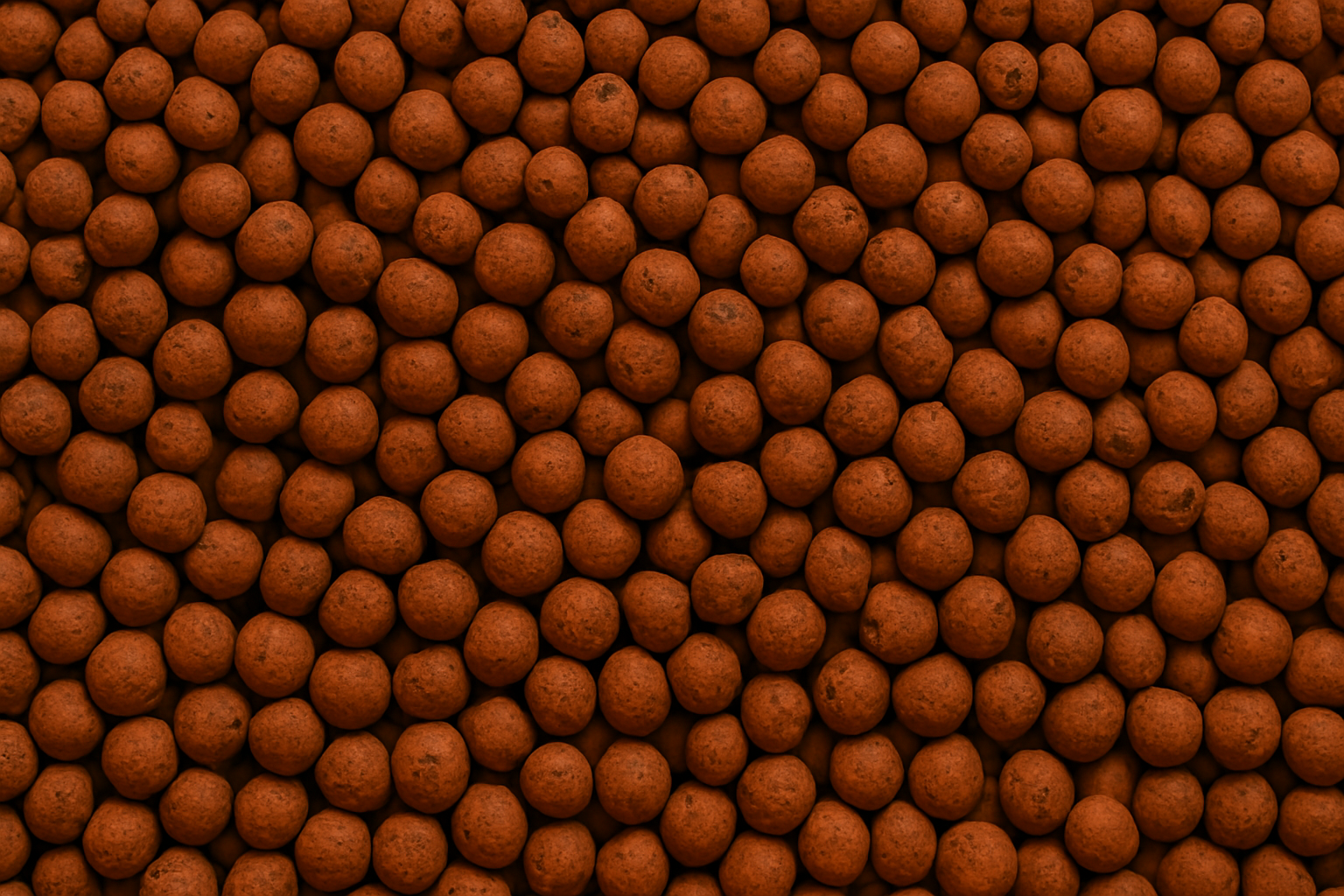
- 🟤 Clay Balls — prevent stagnation at the bottom of the pot
- ✂️ Precision Pruners — clean cut for sanitary pruning
- 🌍 Vermicompost — living soil that strengthens natural defenses
Also find all our substrates and soil amendments:
See our substrates & amendments →These guides might also help you
Douceur Maison · Shop
Draining substrates
that protect your plants
Coconut coir, perlite, and clay balls — natural allies against fungal diseases.
See our potting mixes & substrates🌿 Unsure about your plant?
Even if several symptoms look similar,
their origin can be very different.
Answer a few questions and find the most likely cause.
Free • Less than a minute • No registration required
Launch diagnostic🌿 Guide written by the Douceur Maison SOS Plants team.
We write practical guides to help enthusiasts care for their indoor plants. · sosplantes@douceurmaison.fr
0 comments