
Plant SOS · Pests
Fungus Gnats
(sciarids): causes,
treatment and prevention
These small black gnats fluttering around your flower pots are fungus gnats — dipterans whose larvae develop in moist substrate and feed on fine roots and organic matter. The adults are annoying but harmless to the plant. It's the invisible larvae in the soil that cause the damage — and it's against them that you need to act.
The good news: fungus gnats are one of the simplest pests to eliminate. The bad news: they return if the root cause — an overly moist substrate — is not corrected.
Understanding the life cycle — why they return
To eliminate fungus gnats permanently, you need to understand their cycle. The adults you see flying only live 7 to 10 days — but each female lays up to 200 eggs in moist substrate during that time.
A complete cycle lasts approximately 25 to 30 days. This is why treatment must last at least 4 weeks — to cover several successive generations and break the cycle.
"Adults are annoying but harmless.
It's the larvae in the soil that attack the roots."
The 3 main causes
Substrate too often moist
This is the number one cause in 90% of cases. Fungus gnats cannot reproduce in dry substrate — their eggs die quickly if the surface is dry. Overly frequent watering, a pot without drainage, or a full saucer create ideal conditions for their development.
Peat-rich or very organic substrate
Potting soils rich in peat or undecomposed organic matter are breeding grounds for fungus gnats. Peat retains a lot of water and is a direct food source for the larvae. Coco-based potting mixes or mineral substrates are naturally less conducive to their development.
Newly purchased plant infested
Many plants bought from garden centers or supermarkets already arrive with fungus gnat eggs or larvae in their substrate. The appearance of gnats 2 to 4 weeks after purchase is often linked to a pre-existing infestation.
The 5-step action plan
Stop watering — let the substrate dry
The first and most effective action. Fungus gnat larvae and eggs do not survive in dry substrate. Stop all watering for 7 to 14 days depending on the plant — checking, of course, that your plant can tolerate it. Most tropical plants easily tolerate 2 weeks without watering.
Place yellow sticky traps
Yellow traps attract and capture adults, which reduces egg-laying and thus new generations. Place one trap per pot directly on the substrate surface or nearby. Gnats are attracted to yellow and get stuck. Change the traps when they are saturated. This is a monitoring tool as much as a treatment.
Substrate treatment with neem oil
Dilute 5 ml of neem oil + a few drops of liquid soap in 1 liter of water. Water the substrate with this solution — not the foliage, the soil. Neem acts on the larvae in the substrate and disrupts their development. Repeat every 7 days for 4 weeks.
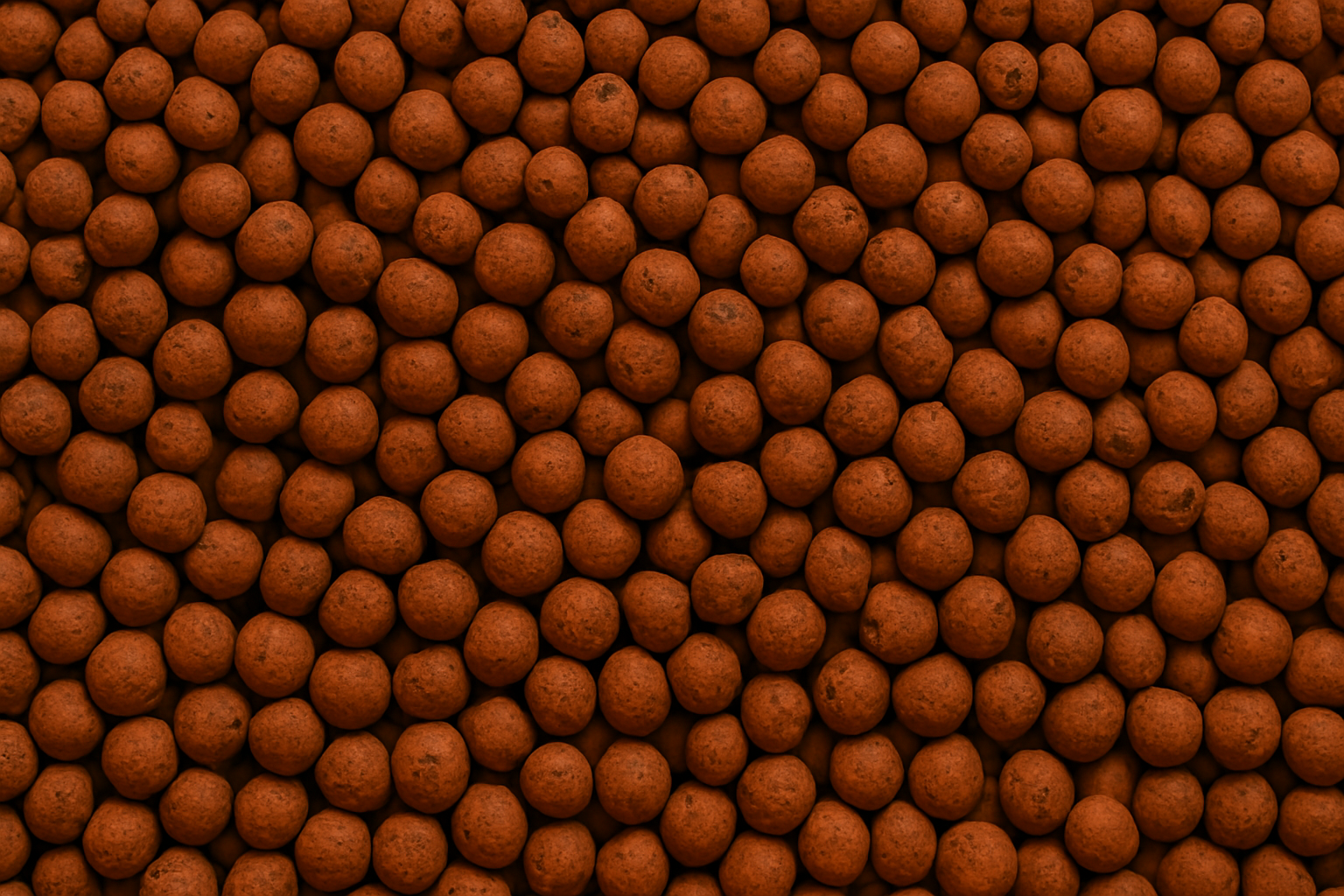
Layer of sand or clay pebbles on the surface
Cover the surface of the substrate with a 2 to 3 cm layer of coarse sand, clay pebbles, or decorative gravel. Adult females can no longer lay eggs in the substrate — they need moist organic matter to deposit their eggs. This physical barrier is very effective for prevention.
Complete repotting if severe infestation
In case of a very severe infestation (dozens of gnats per pot, visible larvae in the substrate), complete repotting is the most radical and effective solution. Remove the plant, shake all the old substrate from the roots, rinse them under fresh water, and repot in a completely fresh and draining substrate.

The key role of the substrate
The substrate is at the heart of the problem — and the solution. An unsuitable substrate promotes fungus gnats regardless of your treatment efforts.
Peat-rich potting soil, very organic substrate, compact potting soil that retains water for a long time. Promote surface moisture and the presence of organic matter — ideal conditions for larvae.
Coco coir, draining peat-free potting soil, mix with 30% perlite, mineral substrate. Dry faster, less organic matter available for larvae.
⚠ Common mistake — treating only adults
Many gardeners buy insecticide sprays to eliminate visible adults. This alone is ineffective — adults are not the problem, it's the larvae in the soil. As long as the substrate remains moist, new adults will emerge indefinitely. The solution is in the soil, not in the air.
Permanent prevention
Once the infestation is eliminated, these habits prevent the return of fungus gnats.
🌿 To eliminate fungus gnats
Our recommended products
- 🥥 Coco Coir — naturally unfavorable to fungus gnats
- 🟤 Clay pebbles — anti-laying surface barrier
- ⬜ Perlite — draining substrate that dries quickly
- 🌱 Peat-Free Organic Potting Soil — emergency repotting
Also find all our substrates and supplements:
See our substrates & supplements →These guides might also help you
Douceur Maison · Shop
Draining substrates
that deter pests
Coco coir, mineral substrates and draining supplements for healthy plants all year round.
See our potting soils & substrates🌿 Unsure about your plant?
Even if several symptoms look similar,
their origin can be very different.
Answer a few questions and find the most probable cause.
Free • Less than a minute • No registration
Start diagnosis🌿 Guide written by the Douceur Maison Plant SOS team.
We write practical guides to help enthusiasts care for their indoor plants. · sosplantes@douceurmaison.fr
0 comments