
Plant SOS · Plant Profile
Monstera: The complete guide
to successful care
With its large, fenestrated and split leaves, the Monstera deliciosa has become one of the most popular houseplants in recent years—and for good reason. Easy to care for, fast-growing, and spectacular when given the right conditions, it's a plant that forgives minor mistakes while greatly rewarding the attention it receives.
This comprehensive guide covers everything you need to know to properly care for your Monstera: light, watering, substrate, fertilization, routine care, and propagation. When well-established, a Monstera can produce spectacular leaves over 50 cm in diameter and become the true centerpiece of a living room—and with the right conditions, it will accompany you for many years.
Plant Identity Card

Ideal Light
Neither full sun nor dark room
Monstera appreciates bright, indirect light, like that from a room near an east or west-facing window. Direct full sun, especially in the afternoon, can scorch its leaves; conversely, a spot that is too dark will slow its growth and limit the development of the famous fenestrations (the characteristic holes in mature leaves). With a good location, this sculptural foliage is precisely what transforms a room in just a few months.

Watering
Water when the first few inches of potting mix are dry
Monstera prefers a regular but not frequent watering cycle: allow the top 2 to 3 centimeters of potting mix to dry out between waterings, generally every 7 to 10 days in summer and much less frequently in winter. Yellowing foliage often indicates overwatering, while drooping leaves that recover after watering typically indicate a lack of water.
"Monstera prefers a slight lack of water
to overly generous and frequent watering."

Substrate and Repotting
A rich potting mix that doesn't retain too much water
A quality all-purpose potting mix, possibly lightened with a bit of pine bark or perlite, is perfectly suitable for Monstera. Repot every 1 to 2 years, or as soon as roots visibly protrude from the pot, into a container only slightly larger than the previous one to avoid excess soil that would remain too moist for too long.
Fertilization
Regular feeding during the growing season
Fertilize your Monstera every 2 to 4 weeks during its active growing period, and stop completely in winter, a dormant period when the plant does not need additional nutrients.
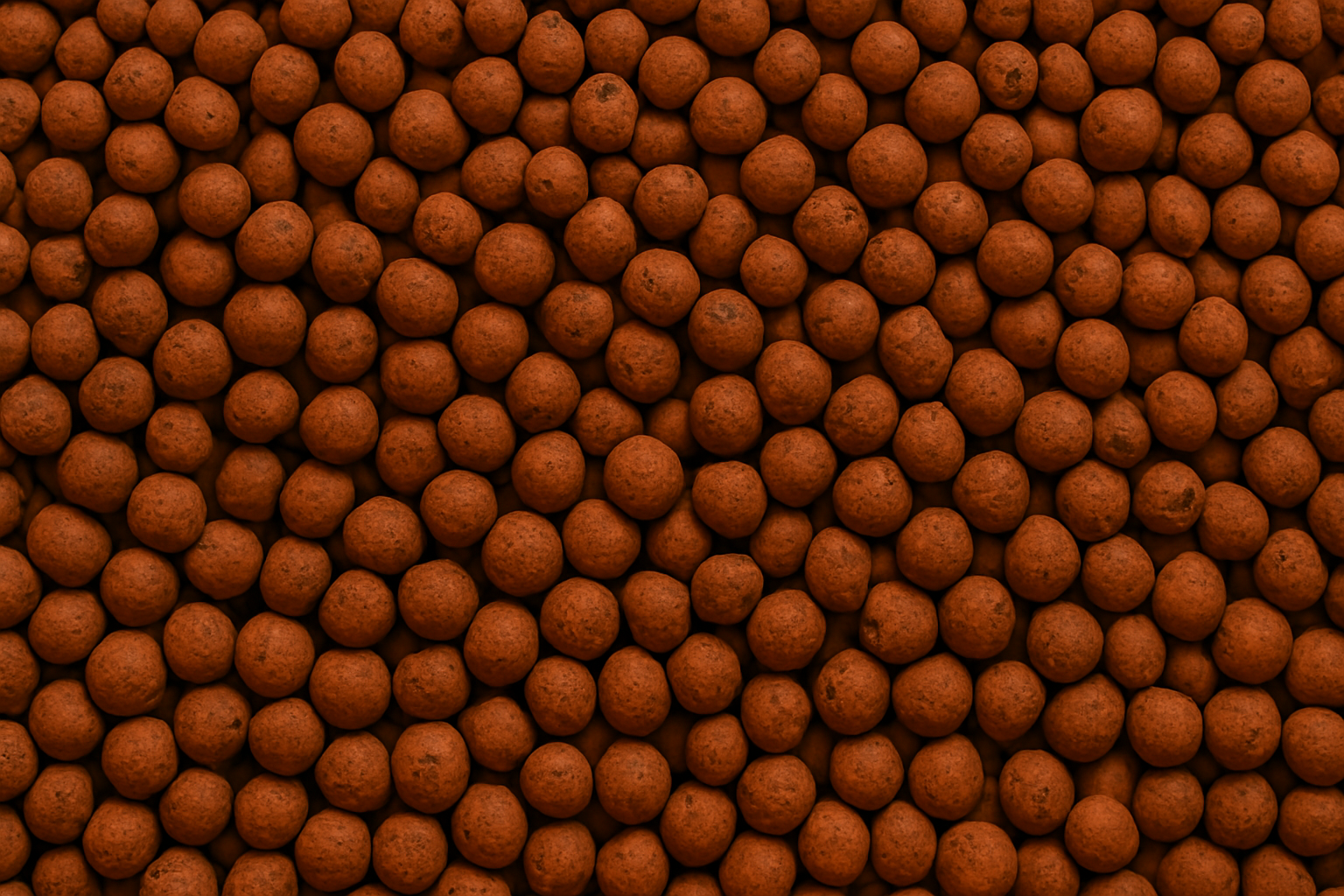
Tropical Green Plant Fertilizer 250 ml
Promotes dense foliage and intense color, suitable for Monstera during its active growing period.
Routine Care
Foliage cleaning and support
Regularly dust the large leaves with a damp cloth, which improves their ability to capture light. A moss or wooden stake helps the Monstera climb naturally, as it would along a tree in its native environment, and promotes the development of larger, more fenestrated leaves.

Propagation by Cuttings
Monstera is easily propagated by stem cuttings, provided you take a node with at least one leaf. Consult our guide how to propagate a houseplant for the detailed method, which applies perfectly to Monstera. It's a great way to get new plants for free to give away or multiply at home.

⚠ Toxicity for pets and young children
Monstera contains calcium oxalate crystals which can irritate the mouth and throat if ingested. Place it out of reach of curious pets and young children. For a risk-free home, see our selection of non-toxic plants for pets.
Common Problems
Monstera is generally robust, but certain signs deserve your attention:

| Symptom | Probable Cause |
|---|---|
| Yellow leaves | Overwatering most often |
| Drooping leaves | Watering or temperature stress |
| No fenestrations | Lack of light or young plant |
| Brown tips | Air too dry or irregular watering |
| Fine webbing under leaves | Spider mites, especially in dry air |
For a more precise diagnosis based on your symptoms, consult our dedicated guides: yellow leaves, drooping leaves, brown tips or spider mites.
Mistakes to Avoid
- ❌ Overwatering, by far the most common mistake with this plant
- ❌ Placing it in a hallway or dark corner, where it will languish without ever developing its fenestrations
- ❌ Frequently changing its location, which disrupts its adaptation to light
- ❌ Repotting into a much too large pot, which retains excessive moisture around the roots
- ❌ Systematically cutting off all aerial roots, which play a real role in moisture absorption and anchoring the plant
Frequently Asked Questions
Short answers to the questions we are most often asked about Monstera.
Why doesn't my Monstera develop holes?
Fenestrations appear gradually with the plant's age and sufficient light. A young Monstera or one placed in a too-dark spot will produce whole leaves, without holes, even if healthy.
Why are the leaves turning yellow?
This is most often a sign of overwatering. Make sure the potting mix dries out between waterings and that the pot has good drainage.
Can Monstera be placed in the sun?
Direct full sun, especially during the hot afternoon hours, risks scorching its leaves. Bright indirect light remains the best compromise for healthy growth.
Should Monstera be misted?
It is not essential, but occasional light misting of the foliage can help during heating periods, when indoor air becomes drier.
How often should a Monstera be repotted?
Every 1 to 2 years is usually sufficient, or as soon as roots visibly protrude from the pot or emerge from the drainage hole.
Why do the leaves remain small?
Lack of light, exhausted substrate for too long, or a pot that has become too small are the three most frequent causes of leaves remaining puny compared to their usual size.
Can aerial roots be cut?
It is not recommended: these roots participate in moisture absorption and anchoring the plant to a support. You can simply guide them towards the potting mix or the support rather than cutting them.
In summary
- ✅ Bright and indirect light
- ✅ Water when the top 2 to 3 cm of potting mix are dry
- ✅ Fertilize from March to September
- ✅ Repot every 1 to 2 years
- ✅ Support stake recommended for larger and more fenestrated foliage
These guides might also help you

Douceur Maison · Shop
Discover our
indoor Monstera plants
Plants selected for their quality, ready to settle into your home.
View all our plants🌿 Unsure about your plant?
Even if several symptoms look alike,
their origin can be very different.
Answer a few questions and find the most probable cause.
Free • Less than a minute • No registration required
Launch the diagnosis🌿 Guide written by the Douceur Maison Plant SOS team.
We write practical guides to help enthusiasts care for their houseplants. · sosplantes@douceurmaison.fr
0 comments