
SOS Plants · Plant Guide
Fern: The complete guide
to successful care
With its delicate, light, and intricately cut foliage, the fern brings a unique texture that breaks the monotony of more massive foliage – a real asset in a varied composition. It is also one of the most demanding plants in terms of ambient humidity: unlike most houseplants, it never likes its soil to dry out completely.
Once this particularity is understood and humidity is provided, the fern becomes a generous and textured plant, perfect for bathrooms, kitchens, or grouped with other plants to create a more humid microclimate.
Identity Card
[ Image to insert — Suggestion: fern with fine, cut foliage, elegantly cascading from a hanging pot · 1200 × 700 px JPG ]
Ideal Light
Soft light, never direct
The fern prefers indirect, soft light, much like the tropical undergrowth it originates from. Direct sun quickly burns its fine, delicate foliage, while a too-dark room slows its growth without being fatal.
[ Image to insert — Suggestion: fern placed away from a window, filtered light on the fine foliage · 1200 × 600 px JPG ]
Watering: always fresh substrate
An exception among houseplants
Unlike most green plants, the fern does not like its soil to dry out between waterings. Keep the substrate always slightly moist, without ever letting it get waterlogged. Complete drying out, even occasional, quickly results in fronds that crack and brown.
"The fern likes neither dry nor drenched.
It likes consistency."
Humidity: the key to success
High ambient humidity, essential
More than any other plant in this guide collection, the fern needs high ambient humidity to maintain flexible, green foliage. A saucer of moist clay pebbles, grouping it with other plants, or frequent misting of the foliage makes all the difference, especially during heating periods.
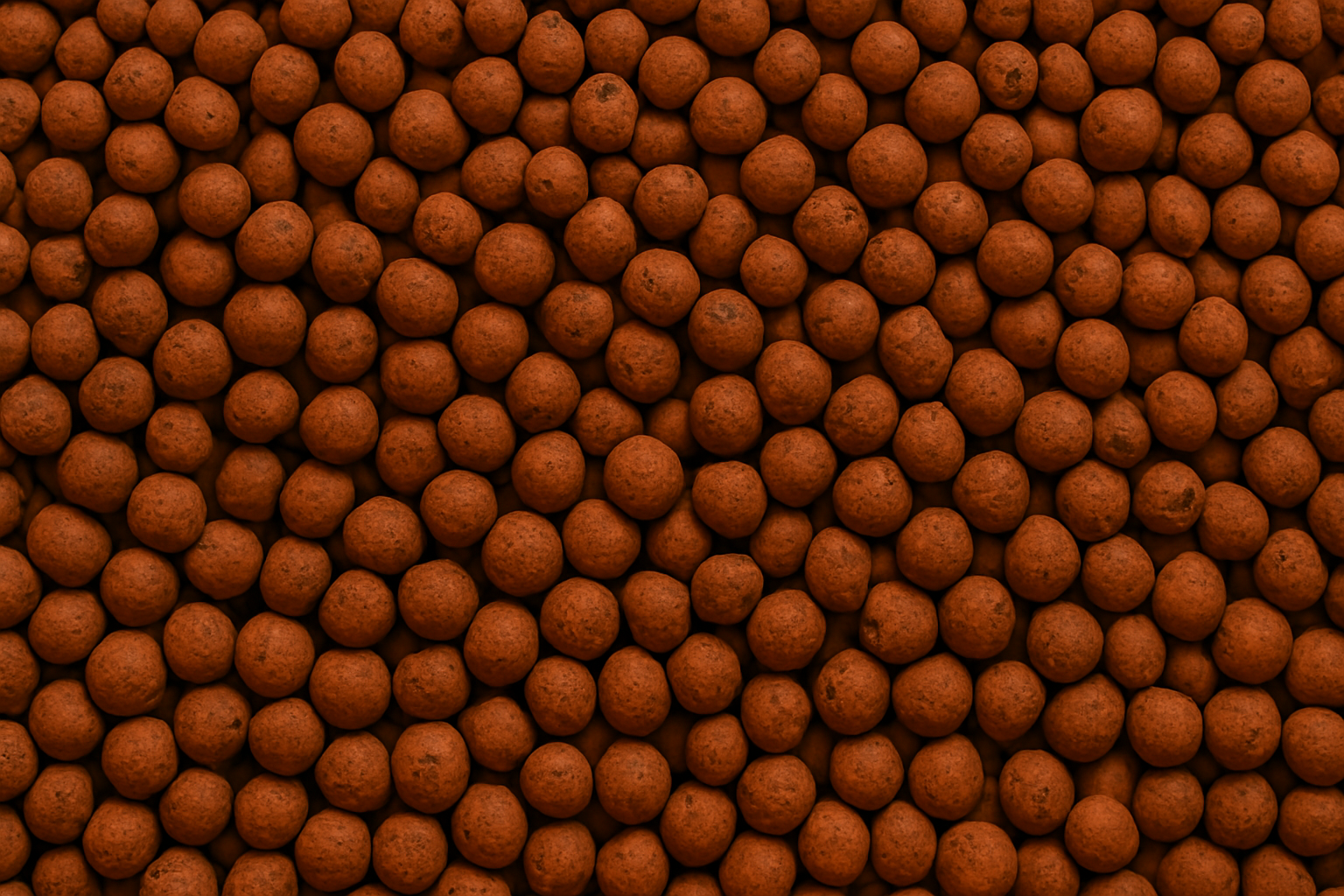
Natural Clay Pebbles (5 L or 10 L)
To be placed in a saucer with a little water under the pot, to maintain constant humidity around the fern.
Watering Mister 300 ml
Made of glass and stainless steel, practical for regularly misting the fine foliage of the fern.
[ Image to insert — Suggestion: mister misting the fine foliage of a fern · 1200 × 600 px JPG ]
Substrate and repotting
Potting soil that retains moisture well
A universal potting soil enriched with peat or coir, which retains water well while remaining airy, is perfectly suitable. Repot every 1 to 2 years in spring, handling the fine roots delicately.
Fertilization
A light and diluted application
Fertilize every 4 weeks or so during the growing season, at a diluted dose. The fern is sensitive to excess mineral salts, which can burn its fine roots.
Common Problems
The fern requires a little more observation than average, but the signs are usually clear:
[ Image to insert — Suggestion: close-up of fern fronds with dry, brown edges, to illustrate a symptom · 1200 × 600 px JPG ]
| Symptom | Probable Cause |
|---|---|
| Fronds cracking and browning | Lack of ambient humidity or watering |
| Yellow and soft foliage | Overwatering, waterlogged soil |
| Fronds yellowing then falling | Air too dry, often in winter |
| Very slow growth | Lack of light or humidity |
| Small brown dots under fronds | Natural spores, not a pest |
⚠ Caution: do not confuse
The small brown dots aligned under some fronds are often spores, a natural reproductive phenomenon of the fern, and not a sign of disease or pest. Do not treat them unnecessarily.
Mistakes to avoid
- ❌ Letting the potting soil dry out completely between waterings
- ❌ Neglecting ambient humidity, the most determining factor for this plant
- ❌ Placing it near a radiator or direct heat source
- ❌ Confusing natural spores under the fronds with a pest
- ❌ Over-fertilizing, its fine roots being sensitive to excess
Frequently Asked Questions
Short answers to the questions we are asked most often about ferns.
Why do my fern's fronds crack and brown?
This is almost always due to a lack of ambient humidity or drying out of the potting soil. Increase the humidity around the plant and ensure the substrate remains slightly moist at all times.
Can a fern live in a bathroom?
Yes, it's often the ideal location if the room gets some natural light, thanks to the generally higher ambient humidity than elsewhere in the house.
Should the soil dry out between waterings?
No, unlike most houseplants, the fern prefers a substrate that is always slightly moist, never completely dry.
Are the brown spots under the fronds a problem?
Generally no: these are often spores, a natural reproductive phenomenon of the fern, not to be confused with a pest or disease.
Is the fern toxic to cats and dogs?
No, most common indoor ferns are considered non-toxic, making them a good choice for homes with curious pets.
How can I increase humidity around a fern?
A saucer of moist clay pebbles under the pot, grouping it with other plants, or regular misting of the foliage are the most effective and lasting solutions.
In summary
- ✅ Indirect and filtered light, never direct sun
- ✅ Substrate always slightly moist, never completely dry
- ✅ Very high ambient humidity (clay pebbles, misting)
- ✅ Light and diluted fertilizer from March to September
- ✅ Non-toxic, a good choice for households with pets
These guides might also help you
[ Image to insert — Suggestion: lush fern in a bright bathroom, final staging · 1200 × 700 px JPG ]
Douceur Maison · Shop
Discover our
indoor plants
Plants selected for their quality, ready to settle into your home.
View all our plants🌿 Unsure about your plant?
Even if several symptoms look similar,
their origin can be very different.
Answer a few questions and find the most probable cause.
Free • Less than a minute • No registration required
Start the diagnosis🌿 Guide written by the Douceur Maison SOS Plants team.
We write practical guides to help enthusiasts care for their indoor plants. · sosplantes@douceurmaison.fr
0 comments