
Plant SOS · Repotting
Which potting soil to choose for
your plant? The complete guide
Potting soil is often the most neglected element of indoor plant care. Yet, a good substrate makes all the difference: it dictates drainage, water retention, root aeration, and nutrient availability. An unsuitable potting mix can nullify all your efforts—even with perfect watering and good light.
In this guide, we review the main types of substrates, their essential additives, and tell you precisely which one to choose for your plant.

What a good substrate really does
A substrate fulfills three essential functions that many overlook: physically anchoring the roots, retaining water and nutrients between waterings, and allowing air to circulate so that roots can breathe. A good balance between these three functions varies by species.
A tropical plant like Monstera or Pothos wants a light substrate that retains some moisture without ever becoming waterlogged. A cactus wants a substrate that drains immediately and retains almost nothing. A fern wants the opposite—a substrate that is always slightly moist. These are not the same product.
"The right potting mix is one that mimics
the plant's natural environment."
The 5 types of substrates
Peat-free universal potting soil
Ideal for: tropical plants, ficus, dracaena, monstera, pothos, philodendron
The basic substrate for the vast majority of houseplants. Light, well-draining, enriched with organic matter. "Peat-free" is important: peat is a non-renewable resource and becomes hydrophobic once dry. Formulations based on compost, wood fiber, or plant material are far superior in the long run.
Coir potting mix (coconut fiber)
Ideal for: ferns, calathea, alocasia, moisture-loving plants
Made from coconut husks, this eco-friendly substrate offers an excellent balance between water retention and aeration. It does not compact over time, which is a major advantage over classic potting soil. Naturally resistant to fungi and molds, it is also less favorable to fungus gnats.
Long-lasting enriched potting mix (e.g., Culvita)
Ideal for: all plants when repotting, beginners, actively growing plants
These potting mixes contain slow-release fertilizers that nourish the plant for 4 to 6 weeks after repotting. Ideal for beginners or for spring repotting when you want a quick start without worrying about immediate fertilization. Initial nutrition is already included.
Draining mineral substrate
Ideal for: cacti, succulents, bonsai, plants that hate moisture
A mix of mineral materials (lava rock, zeolite, coarse sand, fine gravel) that drains almost instantly. This substrate retains almost no water and offers maximum root aeration. Essential for arid-origin plants that rot easily in the presence of stagnant moisture.
Worm castings — natural amendment
Ideal for: enriching any substrate, improving soil life
Worm castings are not a substrate to be used alone, but an amendment incorporated into any potting soil to improve its biological richness. They provide beneficial microorganisms, improve soil structure in the long term, and naturally strengthen plant defenses. A small amount (10-20% of the volume) is sufficient.
Essential additives
A good substrate can always be improved with targeted additives. Here are the most useful ones and how to dose them.

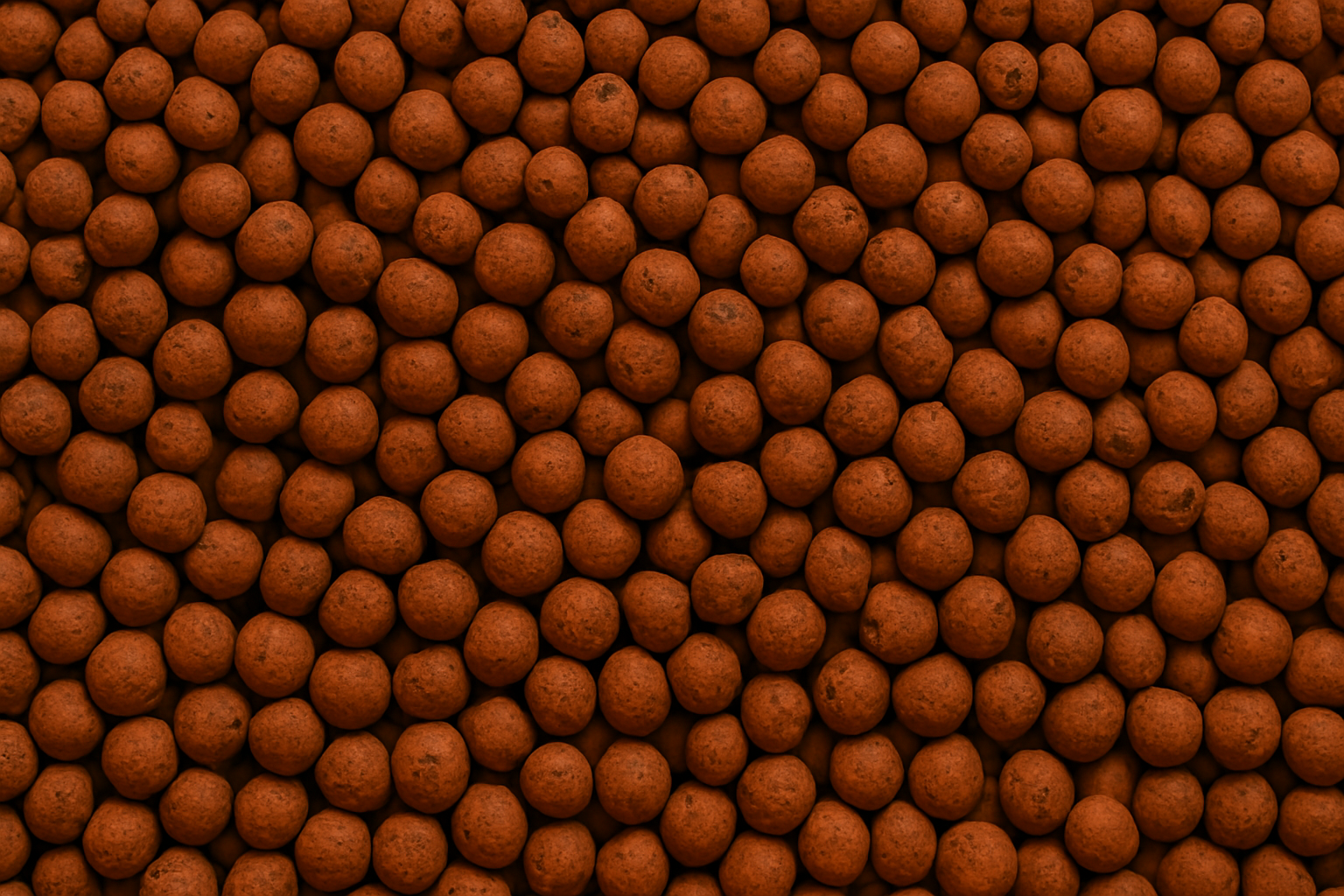
Clay pebbles
Usage: drainage layer at the bottom of the pot
Placed in a 2-3 cm layer at the bottom of each pot, clay pebbles create an aeration space between the substrate and the drainage holes. They prevent the substrate from blocking the holes and ensure smooth water flow. Reusable indefinitely after rinsing. Essential for all pots.
Perlite
Usage: 20-30% of the substrate volume
Perlite is a lightweight, porous expanded volcanic rock. Mixed with potting soil, it drastically improves drainage and root aeration without altering nutrient supply. Particularly recommended for plants sensitive to excess water (monstera, ficus, orchid). Easy to dose: one handful for 3 handfuls of potting soil.
Table — which potting soil for which plant?
| Plant | Main substrate | Additives |
|---|---|---|
| Monstera, Pothos, Philodendron | Ecological potting soil | 20% perlite |
| Ficus, Dracaena, Schefflera | Ecological potting soil | 10% perlite + clay pebbles at the bottom |
| Calathea, Fittonia, Fern | Coir potting soil | 10% worm castings |
| Alocasia, Caladium | Coir potting soil | 20% perlite |
| Cacti & Succulents | Mineral substrate | 50% + 50% ecological potting soil |
| Orchid | Specific pine bark | No classic potting soil |
| Aloe vera, Agave | Mineral substrate | 30% mineral substrate + potting soil |
| Zamioculcas, Sansevieria | Ecological potting soil | 30% perlite or coarse sand |
| Palm, Strelitzia | Ecological potting soil | 20% perlite + worm castings |
| Plants for spring repotting | Culvita potting soil | Integrated nutrition 4-6 weeks |
| Hoya, Climbing Philodendron | Eco + coir potting soil | 50/50 + 10% perlite |
Mistakes to avoid with substrate
⚠ Mistake #1 — Using garden soil
Garden soil is too compact, too heavy, and not sterilized. It quickly suffocates in pots, retains too much water, and can introduce pests and diseases. Never use garden soil for your houseplants.
⚠ Mistake #2 — Changing substrate without reason
Repotting in the same pot with the same substrate does nothing if the potting mix is still in good condition and the plant is doing well. Only repot when signs truly indicate it—roots overflowing, depleted substrate, unexplained stagnation.
🌿 Our substrates & amendments
Everything for successful repotting
These guides might also help you
Douceur Maison · Shop
All our potting soils
& substrates
Selected for their draining qualities, environmental friendliness, and the health of your plants.
View collection🌿 Unsure about your plant?
Even if several symptoms look similar,
their origin can be very different.
Answer a few questions and find the most likely cause.
Free • Less than a minute • No registration required
Launch diagnostic🌿 Guide written by the Douceur Maison Plant SOS team.
We write practical guides to help enthusiasts care for their indoor plants. · sosplantes@douceurmaison.fr
0 comments