
Plant SOS · Watering
How to tell if you've
overwatered a plant?
Overwatering is the leading cause of death for houseplants — long before drought, lack of light, or pests. The problem is that symptoms of overwatering often resemble those of underwatering: yellowing leaves, wilting plant, soft leaves. Many gardeners water more, thinking they are helping their plant — and unknowingly accelerate its demise.
This guide gives you the keys to identify overwatering with certainty, assess the severity of the situation, and take action in the right order.
The soil test — first reflex
First and foremost, ask the fundamental question: is it really overwatering? Symptoms can easily be confused with other problems. The soil is the only reliable indicator.
🔍 The 30-second diagnosis
Stick your finger 3-4 cm into the substrate. If the soil is moist or soggy while the plant shows signs of distress (soft leaves, yellowing) → overwatering confirmed. If the soil is dry → it's not overwatering, consult another guide.
"A soft plant with moist soil,
is almost always too much water."
The 8 signs of overwatering
These signs can appear in isolation or combined. The more numerous they are, the more advanced the situation.
Generalized yellowing, often starting with the lower leaves. Different from yellowing due to deficiency — here the entire leaf blade yellows uniformly.
The substrate remains moist for several days after watering. Poor drainage or too frequent watering.
An unpleasant smell from the pot indicates that the roots have already started to rot. Act immediately.
Fungus gnats (small black gnats) reproduce in moist substrates. Their presence is a reliable sign of overly wet soil.
If the stem is soft or translucent at the base, rot has reached the tissues. Critical situation — repot immediately.
A white fuzz on the substrate indicates too high humidity and lack of aeration. Scrape it off and reduce watering.
Green leaves falling without yellowing are often a sign that the roots are no longer functioning correctly.
The plant wilts while the soil is moist. Asphyxiated roots no longer conduct water. A classic sign of advanced rot.

Assessing severity at a glance
| Level | What you observe | Prognosis |
|---|---|---|
| Mild | Soil moist for too long, a few yellow leaves, no odor | Excellent — stop watering and wait |
| Moderate | Gnats, surface mold, several yellow or soft leaves | Good — action within 48 hours, no repotting needed |
| Severe | Rotten smell, soft stems at the base, wilting plant | Medium — urgent repotting and root inspection |
| Critical | Most roots are black and soft, main stem is soft | Low — attempt emergency repotting or take cuttings |
Action plan according to severity
Stop watering immediately
This is the first — and most important — step. Do not water anymore, even if the plant seems thirsty. Do not add fertilizer either, as weakened roots cannot absorb nutrients.
Empty the saucer and improve aeration
Empty any standing water from the saucer. Remove the pot from its cachepot if applicable. Place the plant in a bright, slightly airy location to speed up the substrate's drying.
If no improvement in 5-7 days — unpot
If the plant shows no signs of improvement after a week without watering, unpot and inspect the roots. This is the only way to know for sure if rot has set in.
Treat the roots and repot in fresh substrate
Cut off all black or soft roots with disinfected scissors. Allow to air dry for 30 to 60 minutes. Repot in a fresh, draining substrate. Do not water for 7-10 days.
How to inspect roots?
Gently remove the plant from its pot. Shake off the old substrate from the roots. Here's how to distinguish healthy from damaged roots.

White, beige, or slightly golden. Firm and elastic to the touch. No particular smell.
Black, brown, or gray. Soft, slimy, or disintegrating to the touch. Unpleasant smell.
Prevention — habits that make all the difference
Once the crisis is over, the goal is never to find yourself in this situation again. These three rules are enough.
💡 The 3 anti-overwatering rules
1. Finger test before each watering — if soil is still moist = wait. No fixed schedule.
2. Pot with mandatory drainage — without drainage holes, excess water accumulates at the bottom and creates a permanent rot zone.
3. Empty the saucer — systematically, 20-30 minutes after each watering. A full saucer = roots soaking = rot on the way.
🌿 To start fresh
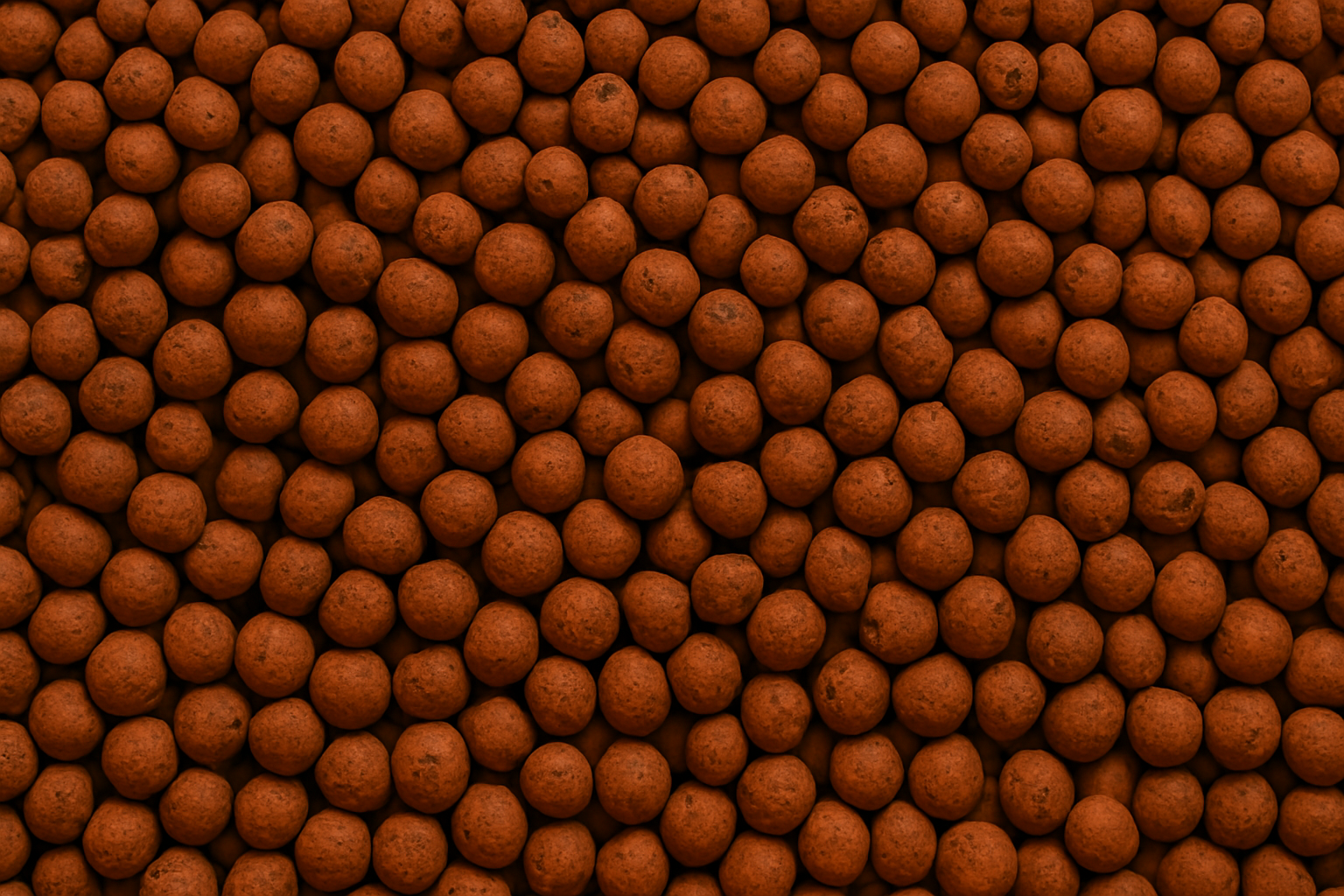
Draining substrates — essential
These guides might also help you
Douceur Maison · Shop
Robust plants,
selected to last
Our plants are chosen for their resilience and ease of care in apartments.
See our robust plants🌿 Unsure about your plant?
Even if several symptoms look alike,
their origin can be very different.
Answer a few questions and find the most likely cause.
Free • Less than a minute • No registration required
Launch the diagnosis🌿 Guide written by the Douceur Maison Plant SOS team.
We write practical guides to help enthusiasts care for their houseplants. · sosplantes@douceurmaison.fr
0 comments