
Plant SOS · Watering
Top or bottom
watering?
Bottom watering — also known as soaking — has been gaining a lot of ground in recent years, and for good reasons. But is it really superior to classic top watering? The short answer: both methods have their advantages and limitations. The right method depends on the plant, the state of the substrate, and the situation.
In this guide, we compare the two approaches in detail to help you choose — or intelligently alternate.

Quick comparison
⬆️ Top watering
- Quick and intuitive
- Rinses mineral deposits from the substrate
- Suitable for most plants
- Risk of wetting foliage
- Less effective if substrate is very dry
- Can promote gnats on the surface
⬇️ Bottom watering
- Perfectly rehydrates very dry soil
- No water on foliage
- Ideal for humidity-sensitive plants
- Longer (20-30 min soaking)
- Accumulates mineral salts long-term
- Requires a pot with drainage
"Neither is superior.
The best watering method is the one suited to the situation."
Top watering — complete method
This is the most common and versatile method. It is suitable for the vast majority of houseplants and remains the standard for daily care.
Steps for proper top watering
- First, check the soil condition — insert your finger 2-3 cm deep. If it's still moist, wait.
- Use room-temperature water. Cold tap water can shock tropical roots.
- Pour slowly in circles around the base of the plant — not directly on the leaves or stems.
- Continue until water drains steadily from the drainage holes.
- Let sit for 20-30 minutes, then completely empty the saucer. Never let water stagnate.
Bottom watering — complete method
Soaking involves allowing the pot to absorb water through its drainage holes, from bottom to top. It's the gentlest and most effective method for rehydrating a very dry substrate.
Steps for proper bottom watering
- Fill a tub, basin, or sink with room-temperature water — about halfway up the pot.
- Place the pot in the water. The drainage holes should be submerged.
- Let soak for 20 to 30 minutes. You will see the substrate surface gradually moisten.
- Remove the pot and let excess water drain for 5-10 minutes before placing it back.
- Do not let the pot soak for more than an hour — prolonged excess can suffocate the roots.
⚠ Beware of salt accumulation
If you exclusively water from the bottom for a long period, mineral salts (from fertilizers and hard water) accumulate in the substrate and can burn the roots. Do a thorough top watering once a month to rinse the substrate.

Which method for which plant?
| Plant | Recommended method | Why |
|---|---|---|
| Calathea, Fittonia | Bottom watering | Sensitive to water on leaves, causing spots and discoloration |
| African Violet (Saintpaulia) | Bottom watering | Water on leaves causes irreversible spots |
| Orchid | Bottom watering | Soak for 10 min, then complete draining of aerial roots |
| Cactus & Succulents | Bottom watering | Avoids wetting the collar, an area very sensitive to rot |
| Monstera, Pothos, Philodendron | Both | Top watering daily, soaking if substrate is too dry |
| Ficus, Dracaena | Both | Alternate to regularly rinse the substrate |
| Ferns, Alocasia | Both | Love humidity — alternate according to substrate condition |
| Very dry substrate (emergency) | Bottom watering | Water no longer penetrates from the top — soaking is mandatory |
When to alternate between the two methods?
Alternation is often the best strategy. Here is the recommended rhythm for most tropical houseplants.
Recommended alternation rhythm
Regular watering: top watering, always checking the soil condition beforehand.
Once a month: soak for 20-30 minutes, followed by complete draining. This deeply hydrates and prevents the lower parts of the substrate from always remaining dry.
In an emergency (substrate no longer absorbing water): immediate soaking, then resume normal top watering once the substrate is rehydrated.
Mistakes to avoid with each method
Common mistakes — top watering
❌ Watering in small quantities: a little water on the surface never reaches the roots. Always water until it drains from the holes.
❌ Wetting the leaves: standing water on foliage encourages fungal diseases. Always direct water towards the base.
❌ Leaving water in the saucer: always empty 20-30 minutes after watering.
Common mistakes — bottom watering
❌ Soaking for too long: beyond an hour, roots risk lacking oxygen. 20-30 minutes is sufficient.
❌ Never rinsing from the top: without periodic rinsing, mineral salts accumulate and burn roots long-term.
❌ Using a pot without drainage: soaking only works if water can freely enter and exit through the holes.
🌿 For optimal watering
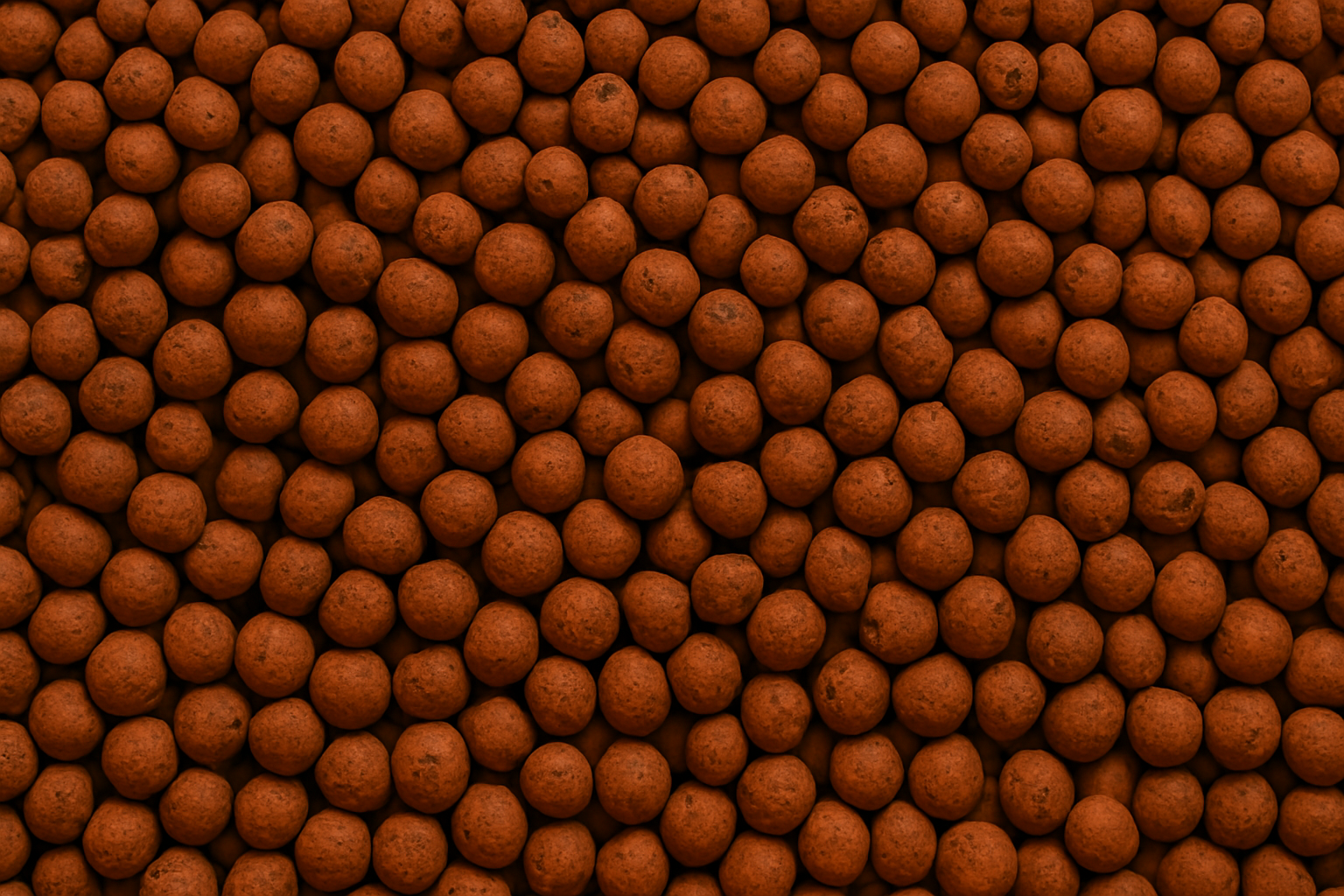
Our draining substrates
These guides might also help you
Douceur Maison · Shop
Plants selected
for indoor living
Each plant is chosen for its robustness and adaptability to apartment life.
Discover our plants🌿 Unsure about your plant?
Even if several symptoms look similar,
their origin can be very different.
Answer a few questions and find the most probable cause.
Free • Less than a minute • No registration required
Launch diagnostic🌿 Guide written by the Douceur Maison Plant SOS team.
We write practical guides to help enthusiasts care for their houseplants. · sosplantes@douceurmaison.fr
0 comments